Water Damage Insurance Claim Tips for Denver Homeowners
Water Damage Insurance Claim Tips for Denver Homeowners
When water shows up where it shouldn’t, Denver homeowners have two urgent priorities: stop the damage from spreading and protect the insurance claim. Whether you’re dealing with a burst pipe in January, a ceiling leak after a spring storm, or a flooded basement after heavy runoff, the way you respond in the first few hours can make a major difference.
This guide walks you through practical, homeowner-friendly steps for handling an insurance claim water damage situation with less stress. If you need fast help, a local team that understands water damage restoration Denver homes require can help with cleanup, mitigation, documentation, and repair planning.
First Things First: Safety Comes Before the Claim
Before thinking about paperwork, make sure your home is safe to enter. Water damage can involve electrical hazards, contaminated water, weakened materials, and hidden moisture behind walls or under flooring.
If you can do so safely:
- Shut off the water source if the damage is from a plumbing issue.
- Turn off electricity in affected areas if water is near outlets, appliances, or wiring.
- Avoid walking through standing water if you are unsure whether it is contaminated.
- Move people, pets, and valuables away from the affected area.
- Call for emergency water cleanup Denver homeowners can rely on if water is actively spreading.
Do not put yourself at risk to save belongings or take photos. If the situation feels unsafe, wait for professionals.
Call Your Insurance Company Early
Most homeowners insurance policies require prompt notice after a loss. That means you should contact your insurer as soon as reasonably possible after discovering the damage.
When you call, ask:
- What is my deductible?
- Is this type of water damage typically covered under my policy?
- Do I need to prevent further damage right away?
- Will an adjuster visit the property?
- What photos, receipts, and documents should I save?
- Is there a claim number I should reference?
Every policy is different, so avoid assuming coverage. A burst pipe insurance claim, for example, may be handled differently than gradual seepage, long-term plumbing leaks, or outside flooding. If you are filing a water damage claim Colorado homeowners policy, your insurance carrier can explain what applies to your specific coverage.
Start Water Damage Documentation Immediately
Strong water damage documentation helps tell the story of what happened, when it happened, and what steps you took to limit the loss. Think of documentation as your home’s paper trail.
Create a simple folder on your phone or computer and save:
- Photos and videos of the damaged areas
- Photos of the source of water, if visible
- Images of damaged belongings
- Notes about when you discovered the water
- Communication with your insurer
- Receipts for emergency services, supplies, lodging, or repairs
- Estimates from your restoration company Denver team
- Moisture readings or drying logs, if provided
The more organized your records are, the easier it may be to support the insurance claim process.
Take Clear Water Damage Photos for Insurance
Good photos are one of the most helpful tools in a claim. When taking water damage photos for insurance, capture both wide shots and close-ups.
Helpful photo tips:
- Take wide photos of each affected room.
- Capture close-ups of flooring, drywall, ceilings, baseboards, cabinets, and personal property.
- Photograph standing water before it is removed, if safe.
- Include the source of damage, such as a broken pipe, leaking appliance, or roof leak area.
- Take pictures before moving items whenever possible.
- Continue taking photos throughout cleanup and drying.
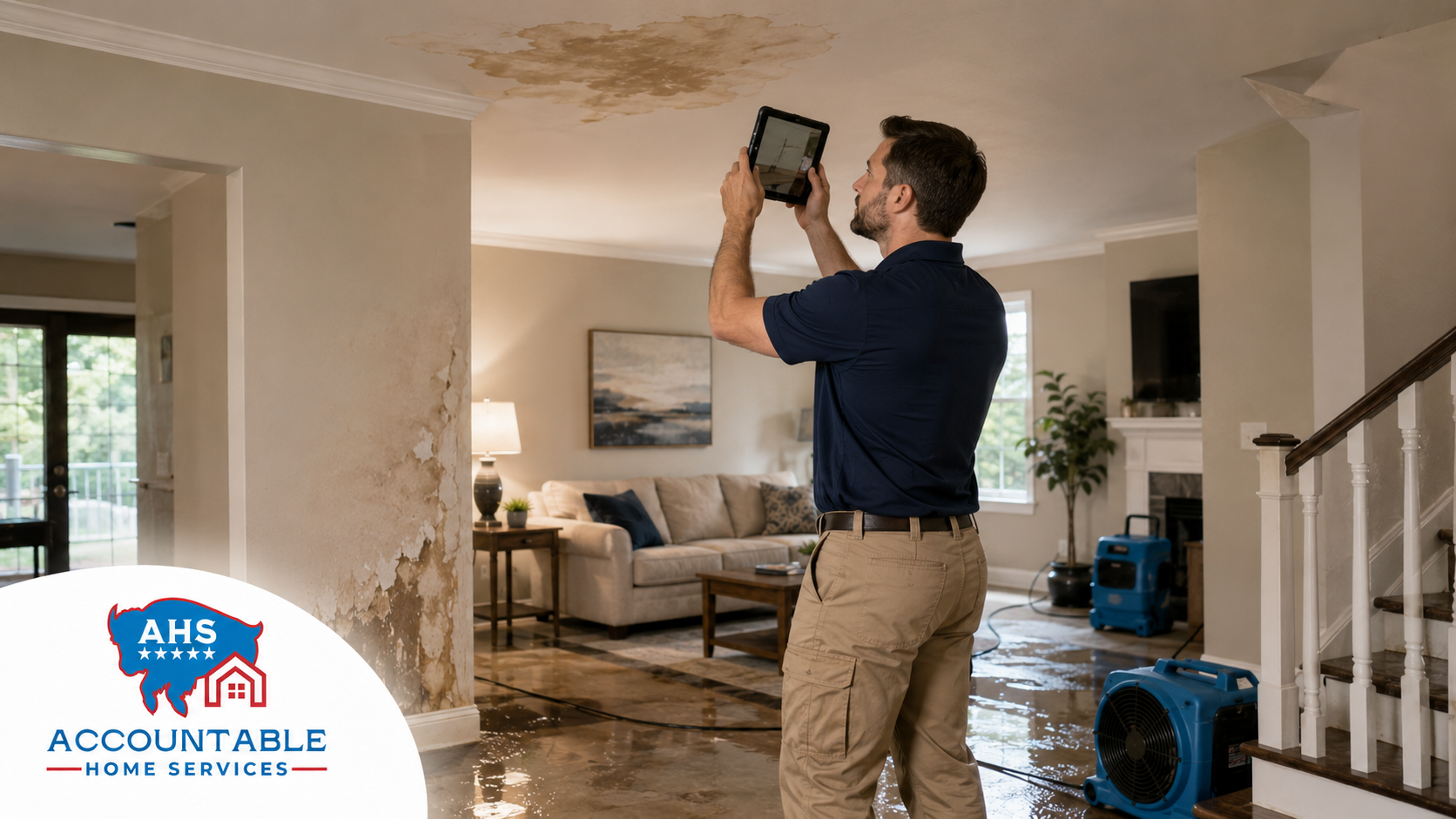
For a ceiling leak insurance claim, take photos of the ceiling stain, sagging drywall, wet flooring below, nearby light fixtures, attic areas if safe, and any roof or plumbing source that may have caused the leak.
For a flooded basement insurance claim, photograph the water line on walls, damaged contents, flooring, sump pump area, drains, foundation openings, and any visible entry point.
Don’t Wait to Begin Mitigation
Insurance companies generally expect homeowners to take reasonable steps to prevent additional damage. This is where water mitigation Denver services become important.
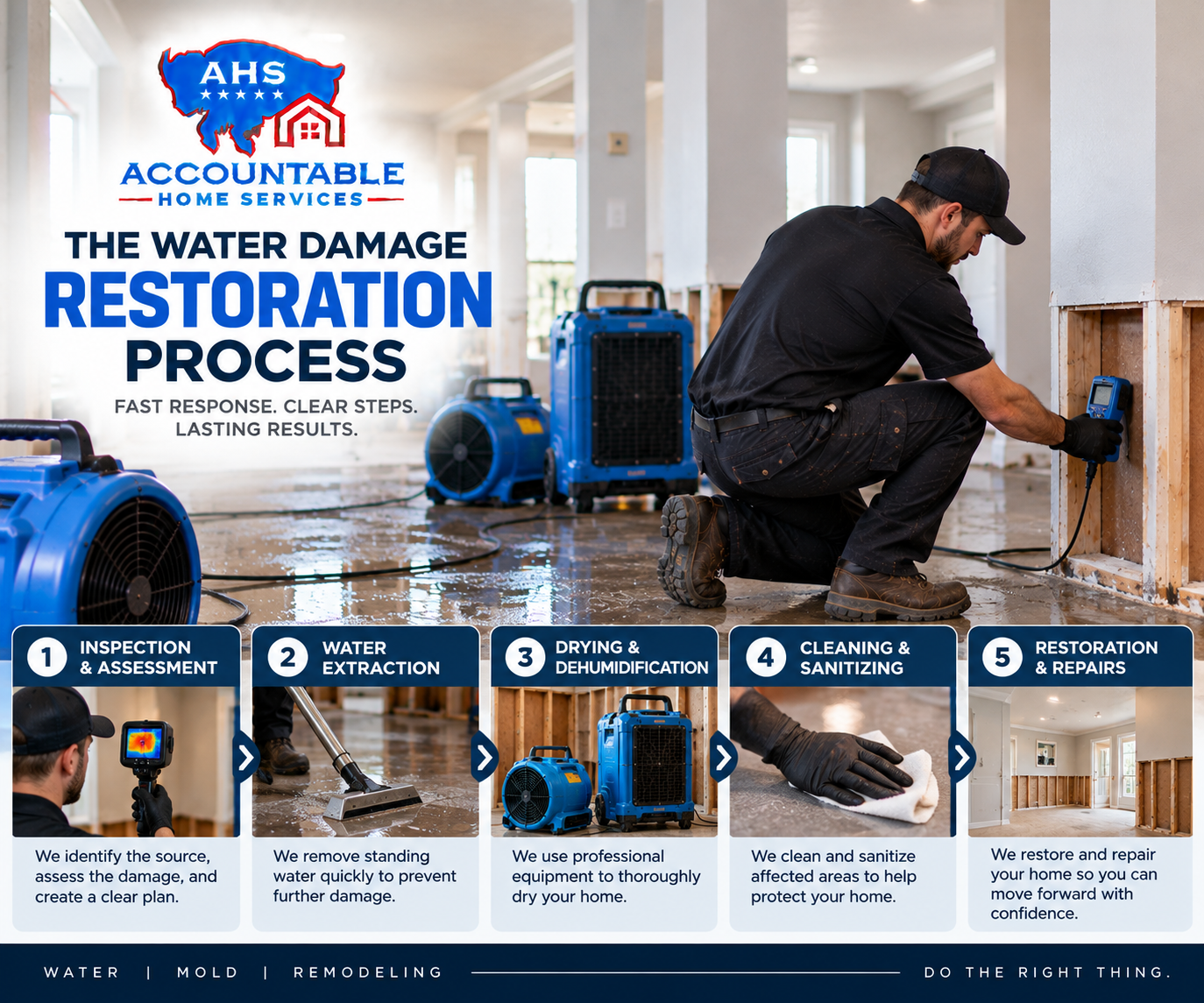
Mitigation is the process of stopping water damage from getting worse. It may include:
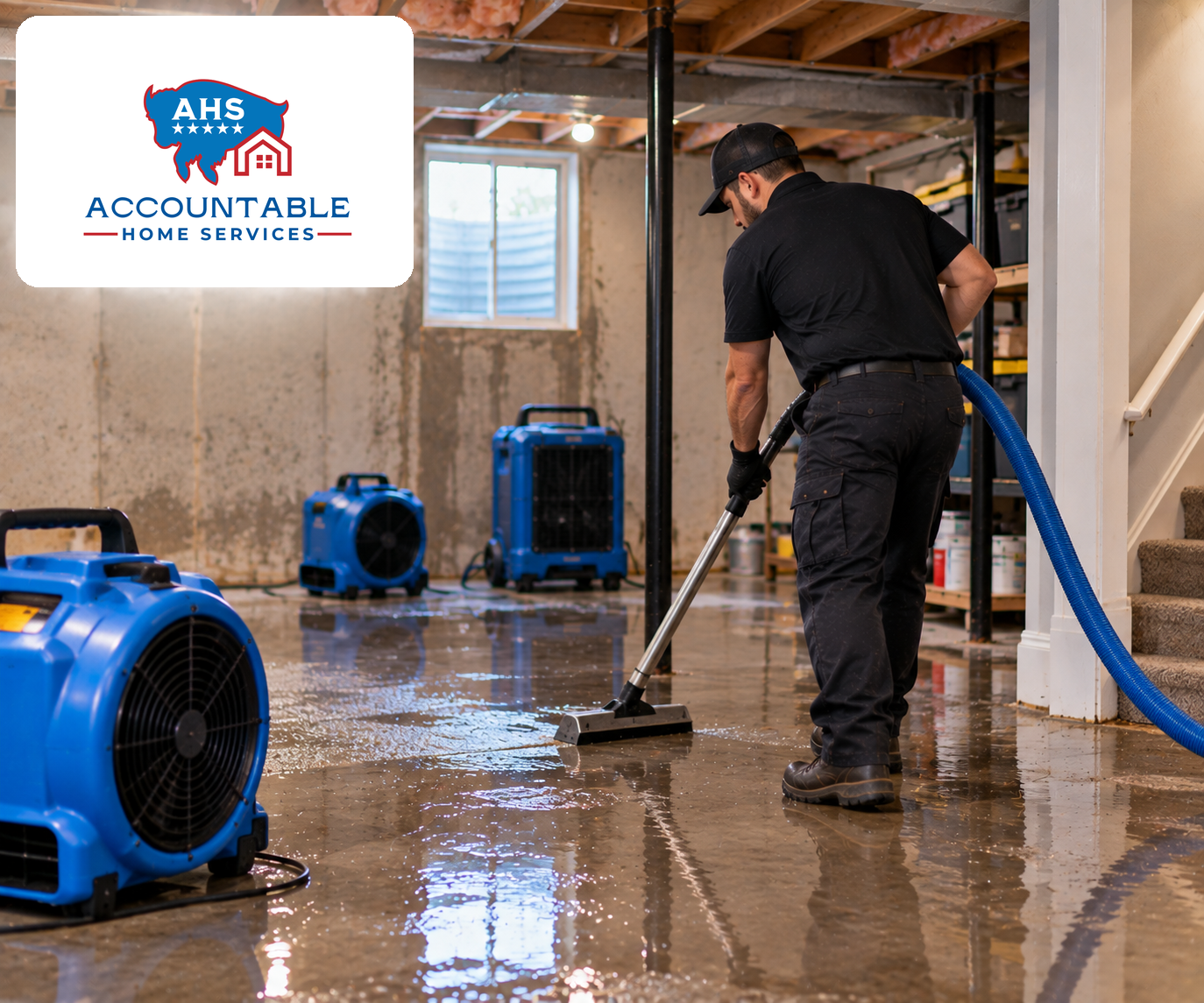
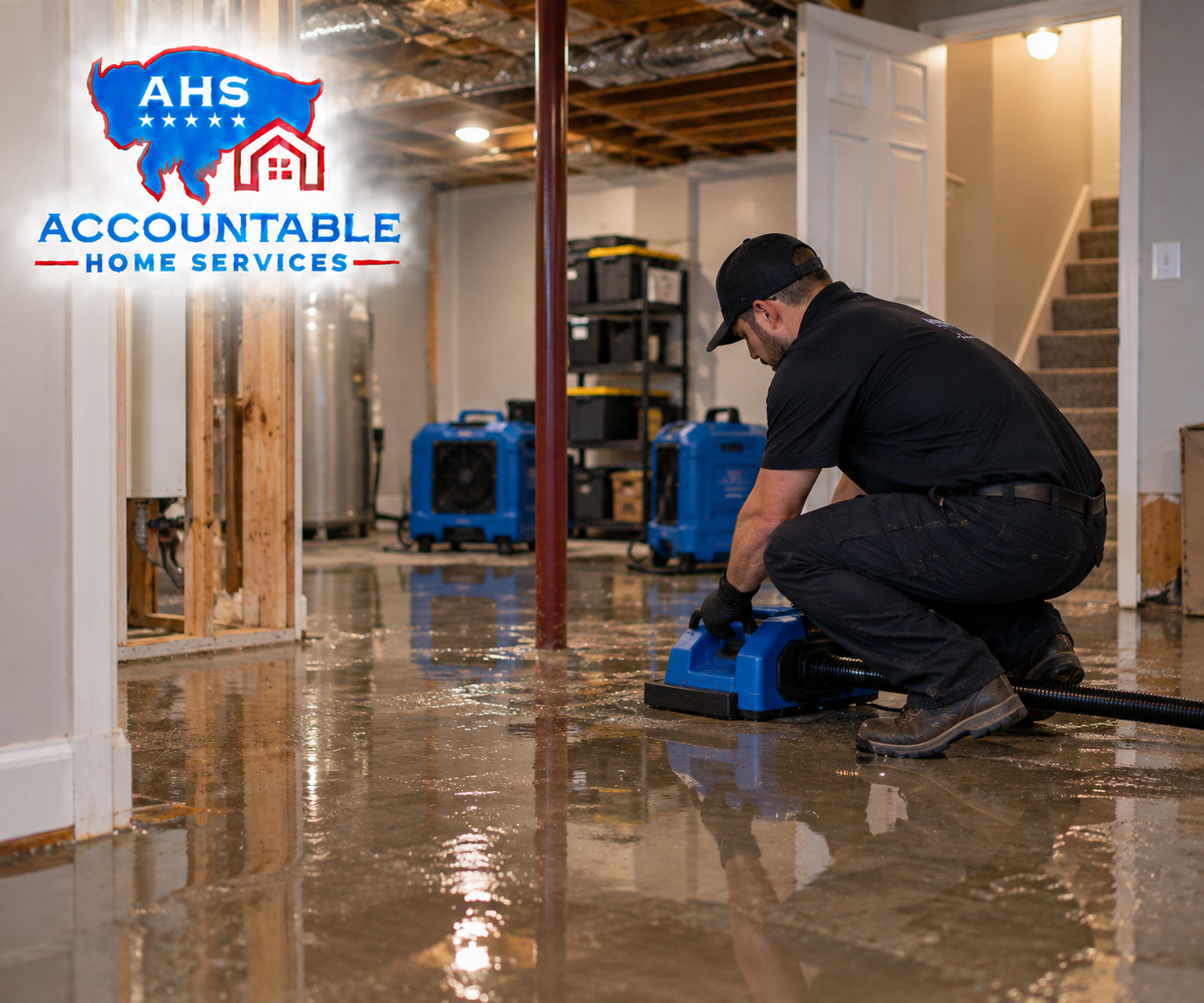
- Extracting standing water
- Removing soaked carpet pad or unsalvageable materials
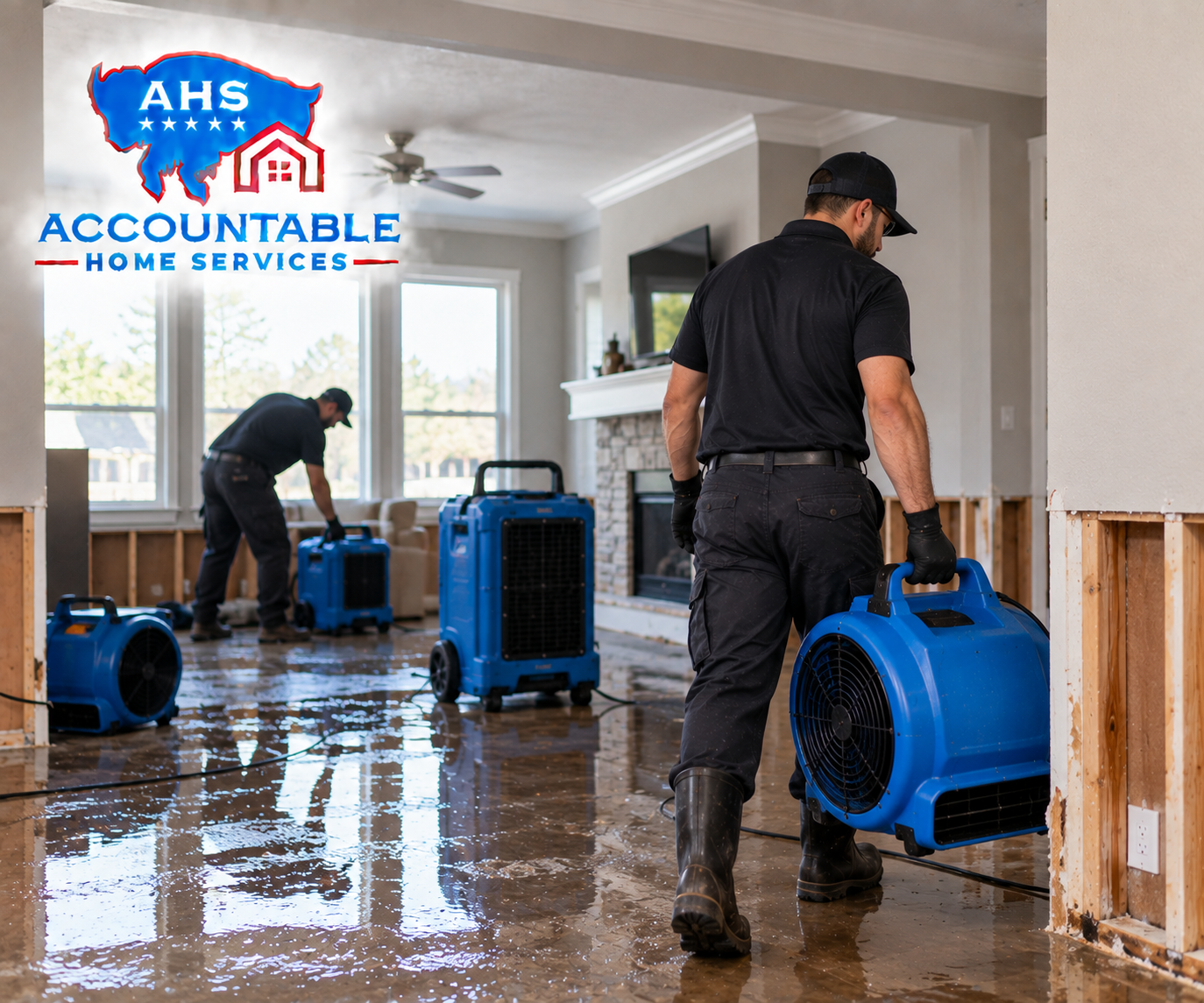
- Setting up professional drying equipment
- Measuring moisture in walls, floors, and ceilings
- Protecting unaffected areas
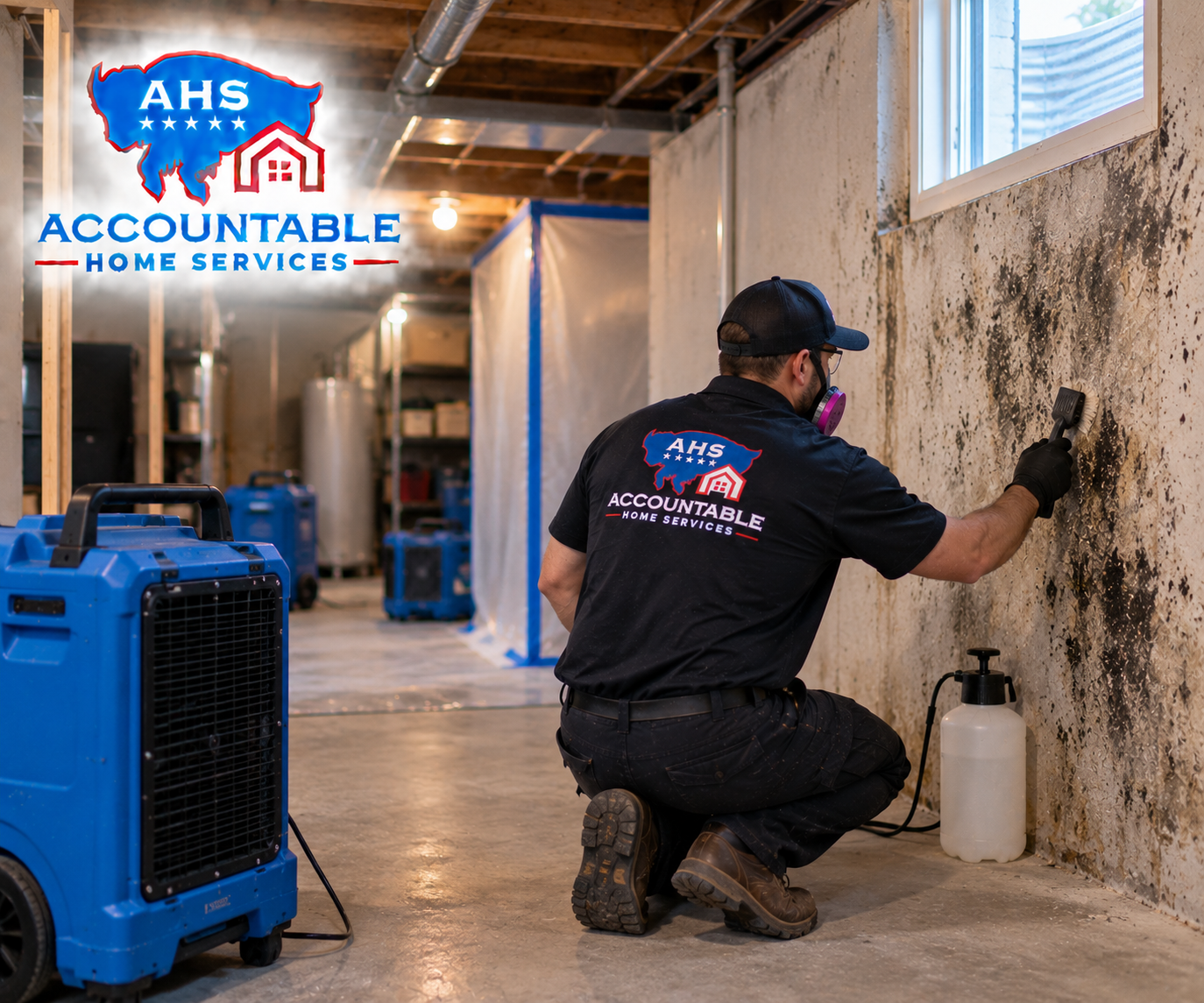
- Helping reduce the risk of mold growth
Mitigation is not the same as full repair. It is the urgent stabilization phase that comes before rebuilding. A qualified team can help preserve materials when possible and provide documentation for your insurer.
Understand the Difference Between Cleanup, Mitigation, and Repair
Homeowners often hear several terms during a water loss, and they can sound similar. Here’s a simple breakdown.
Water cleanup focuses on removing standing water and immediate mess.
Water mitigation focuses on preventing further damage through drying, removal of saturated materials, and moisture control.
Water damage repair focuses on restoring the home after it is dry, such as replacing drywall, flooring, trim, paint, or cabinets.
If you’re searching for water damage repair Denver services, ask whether the company can help with both emergency mitigation and the later repair phase. This can make the process smoother, especially when insurance is involved.
Common Water Damage Claims in Denver Homes
Denver homes face a mix of seasonal and property-related water risks. Older plumbing, freezing temperatures, sudden storms, snowmelt, appliance failures, and finished basements can all create water damage concerns.
Common claim situations include:
Burst Pipes
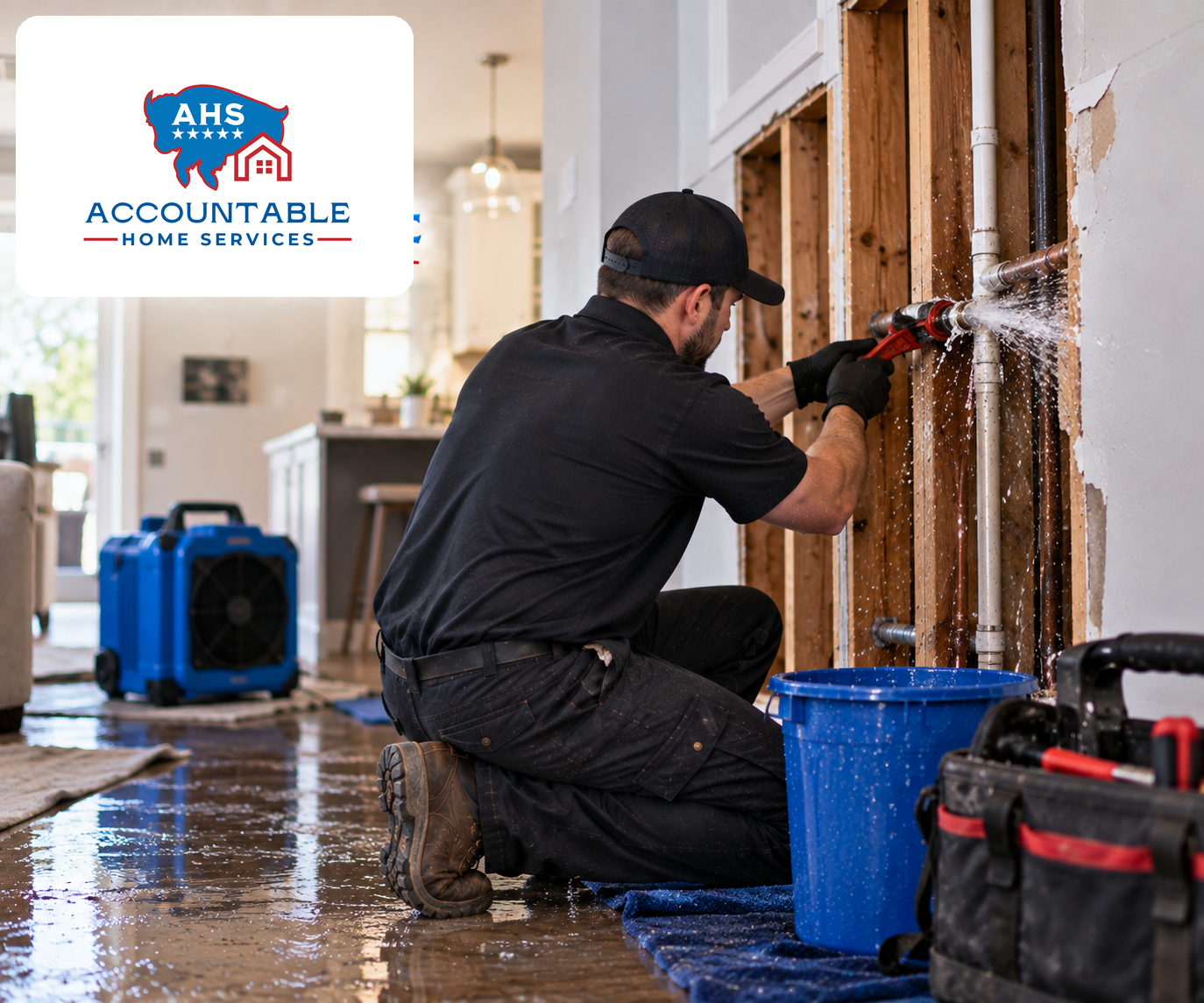
A frozen or failed pipe can release a large amount of water quickly. For a burst pipe insurance claim, document the damaged pipe, affected rooms, and emergency response. Shut off the water supply if safe and call for cleanup right away.
Basement Water Damage
Basements are especially vulnerable because water naturally moves downward. A flooded basement insurance claim may involve a failed sump pump, plumbing backup, foundation seepage, storm runoff, or appliance leak. Coverage depends heavily on the cause and policy language.
Ceiling Leaks
A ceiling leak can come from a bathroom above, roof issue, HVAC condensation line, or plumbing inside a wall. For a ceiling leak insurance claim, avoid poking sagging drywall unless advised by a professional. Wet ceiling materials can collapse.
Appliance Leaks
Water heaters, washing machines, dishwashers, refrigerators, and humidifiers can all cause sudden water damage. Photograph the appliance, supply lines, and affected surfaces.
Storm-Related Intrusion
Denver weather can change quickly. Wind-driven rain, hail-related roof damage, and heavy runoff may allow water into the home. If storm damage is suspected, document both interior and exterior conditions.
Tips for Talking With the Insurance Adjuster
The adjuster’s job is to evaluate the damage and determine how the policy applies. You can help the visit go smoothly by being prepared.
Before the adjuster arrives:
- Have your claim number ready.
- Organize photos and videos.
- Save damaged materials if your insurer asks you to.
- Keep receipts and invoices in one place.
- Share the timeline of what happened.
- Provide professional mitigation documentation, if available.
Be honest and factual. Avoid guessing about the cause if you’re not sure. Instead, explain what you observed and when.
What Not to Do After Water Damage
In the stress of the moment, it’s easy to make decisions that complicate the claim or create more damage.
Try to avoid these common mistakes:
- Waiting several days to report the loss
- Throwing away damaged items before photographing them
- Making permanent repairs before the damage is documented
- Ignoring wet drywall, insulation, or flooring because the surface looks dry
- Using only household fans for a major water event
- Assuming all water damage is covered without checking your policy
- Forgetting to save receipts
Fast, documented action is one of the best water damage insurance claim tips for any homeowner.
Why Local Restoration Support Matters
A local restoration company Denver homeowners trust brings more than equipment. Local crews understand the types of homes, weather patterns, basements, crawl spaces, and building materials common across the area.
A professional restoration team can help by:
- Responding quickly to urgent water damage
- Extracting water and setting drying equipment
- Identifying hidden moisture
- Documenting affected areas
- Communicating findings clearly
- Providing estimates for water damage repair
- Helping you understand next steps during the claim
While a restoration company does not decide what your insurance policy covers, it can provide valuable documentation and professional observations that support the claims review.
The Basic Insurance Claim Process
The insurance claim process can vary, but most water damage claims follow a similar path.
- Discover the damage You find water damage and take immediate safety steps.
- Stop the source Shut off water, call a plumber if needed, or stop the intrusion if possible.
- Document everything Take photos, videos, and notes before major cleanup begins.
- Contact insurance Report the claim and get instructions from your carrier.
- Begin mitigation Hire a professional team for emergency drying and cleanup if needed.
- Adjuster review The insurer evaluates the damage and policy details.
- Repair planning Once the home is dry and the scope is clear, repairs can be estimated and scheduled.
- Final documentation Keep invoices, completion notes, and photos of finished repairs.
This process may feel overwhelming, but you do not have to navigate it alone.
What Homeowners Should Keep in Their Claim File
A well-organized claim file can reduce confusion and help you respond quickly when your insurer asks for information.
Keep copies of:
- Your claim number
- Insurance contact information
- Policy documents, if available
- Photos and videos
- A written timeline
- Plumber reports, if applicable
- Restoration invoices
- Drying records and moisture readings
- Repair estimates
- Receipts for temporary expenses
- Emails and text messages related to the claim
Good organization is especially helpful for larger losses involving multiple rooms or personal property.
When to Call for Emergency Water Cleanup in Denver
Some water damage situations can’t wait until morning. Call for urgent help if you notice:
- Standing water in a basement or living area
- Water running from a ceiling
- A burst pipe or active plumbing leak
- Wet carpet across a large area
- Water near electrical systems
- Sewage or dirty water backup
- Moisture spreading into multiple rooms
- Strong musty odors after a leak
Fast emergency water cleanup Denver service can reduce damage, protect your home’s structure, and create a clearer record of the response.
Helpful Questions to Ask a Restoration Company
Before hiring a team, ask practical questions so you know what to expect.
Consider asking:
- Do you provide emergency water extraction?
- Can you help document the damage for insurance?
- Do you use moisture meters or thermal imaging?
- Will you explain what materials can be dried and what may need removal?
- Can you provide a written estimate?
- Do you handle repairs after mitigation?
- How will you communicate updates during the job?
The right company should explain the process in plain language and help you feel more in control.
Denver Homeowner Reminder: Coverage Depends on Cause
One of the most important things to remember is that insurance coverage usually depends on why the water damage happened. Sudden and accidental water damage may be treated differently than long-term leaks, poor maintenance, groundwater intrusion, or sewer backup.
Because every policy is different, contact your insurance company directly for coverage decisions. If you are unsure how to describe the event, stick to the facts: what you saw, when you found it, and what actions you took.
Need Help With Water Damage Cleanup and Documentation?
If you’re dealing with a water damage insurance claim Denver homeowners situation, timely help can make the next steps easier. From the first call through drying, documentation, and repair planning, a local restoration team can help protect your home and keep the process moving.
For responsive water damage restoration Denver support, contact a trusted local team for an inspection and next-step guidance. Whether it’s a burst pipe insurance claim, flooded basement insurance claim, or ceiling leak insurance claim, getting professional help early can reduce stress and help you move toward a clean, dry, repaired home.