Emergency Water Removal in Commerce City, CO: What Homeowners Should Do First
Emergency Water Removal in Commerce City, CO: What Homeowners Should Do First
When water is spreading through a home, the first goal is simple: stop the source if you can do it safely, remove visible water quickly, and begin documenting what happened. Emergency water removal in Commerce City CO is often needed after a burst pipe, failed water heater, appliance leak, sump pump backup, or flooded basement. The sooner standing water removal and professional drying begin, the easier it is to limit water damage and keep the cleanup process organized.
What should you do first after water damage?
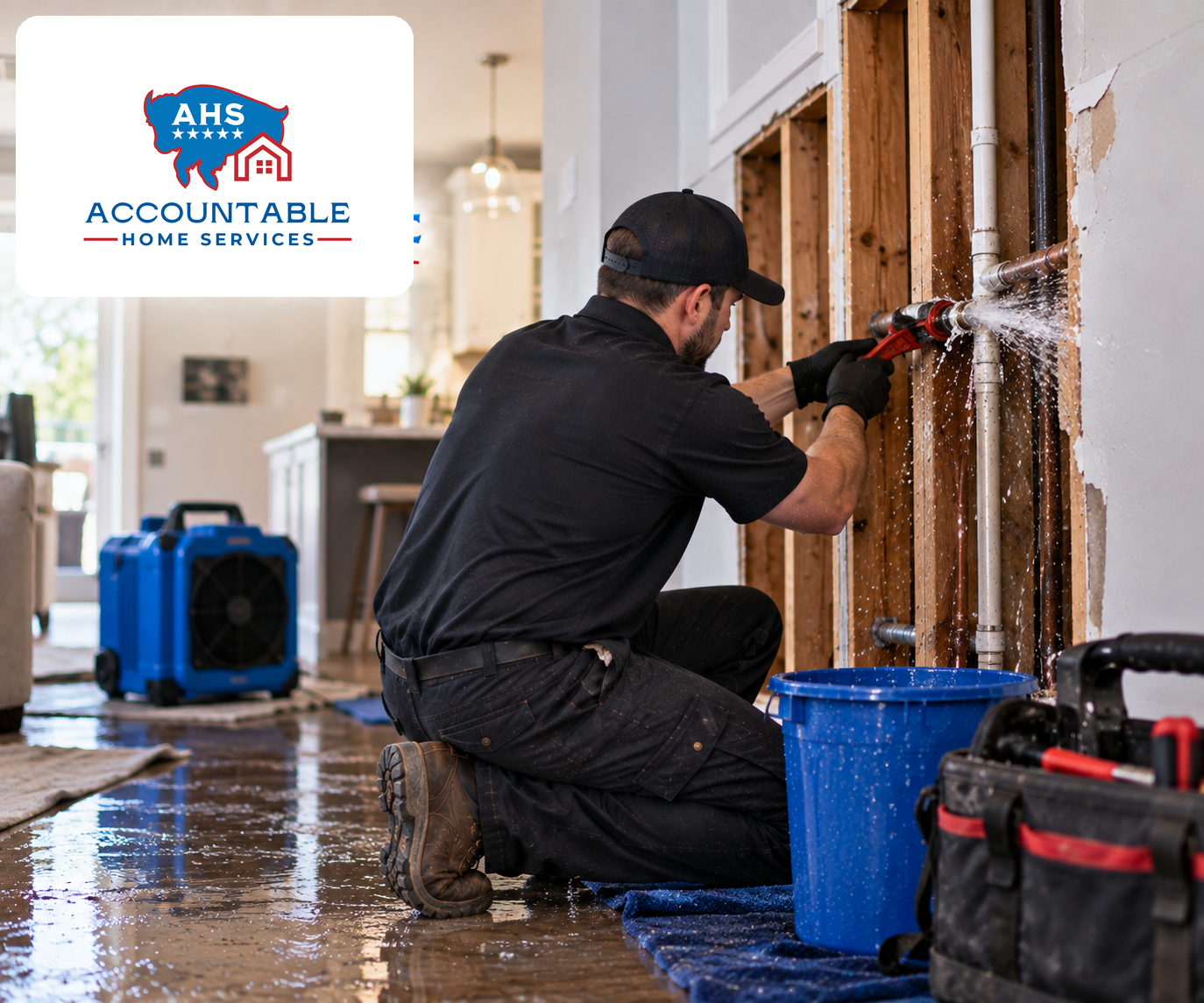
Start with safety, then control the water source, then call the right help. If water is near electrical outlets, appliances, or a breaker panel, stay out of the affected area and wait for a qualified professional. If the leak is active and you can safely reach the shutoff valve, turn off the water before calling for emergency plumbing or water mitigation Commerce City support.
Once the source is stopped, take a few clear photos or short videos before moving items. This helps show the original condition of the area and can support an insurance claim. Then focus on getting visible water extracted as soon as possible. Water sitting on carpet, wood flooring, tile edges, concrete, or around cabinets can keep moving into nearby materials, so prompt water extraction Commerce City service is an important first step.
Use this short checklist if conditions are safe:
- Shut off the water source if you know where it is and can reach it safely.
- Avoid rooms where water may be touching electrical systems.
- Take photos and videos of the leak source, wet flooring, damaged contents, and standing water.
- Move small valuables, documents, and dry items away from the affected area.
- Do not pull up glued flooring, remove baseboards, or cut drywall unless a mitigation professional advises it.
- Call a plumber for the repair if the source is a pipe, fixture, water heater, or appliance connection.
- Call a restoration company for emergency water cleanup, extraction, drying, and documentation.
This order matters because plumbing repair and water damage restoration Commerce City services solve different parts of the problem. A plumber stops or repairs the source. A restoration team removes water, checks moisture, dries the structure, and documents the damage.
Visible water removal is urgent but only the beginning
Visible water needs to be removed quickly. That does not mean panic is helpful. It simply means water is easier to manage when extraction starts early, before it spreads farther into rooms, closets, wall cavities, or finished materials.
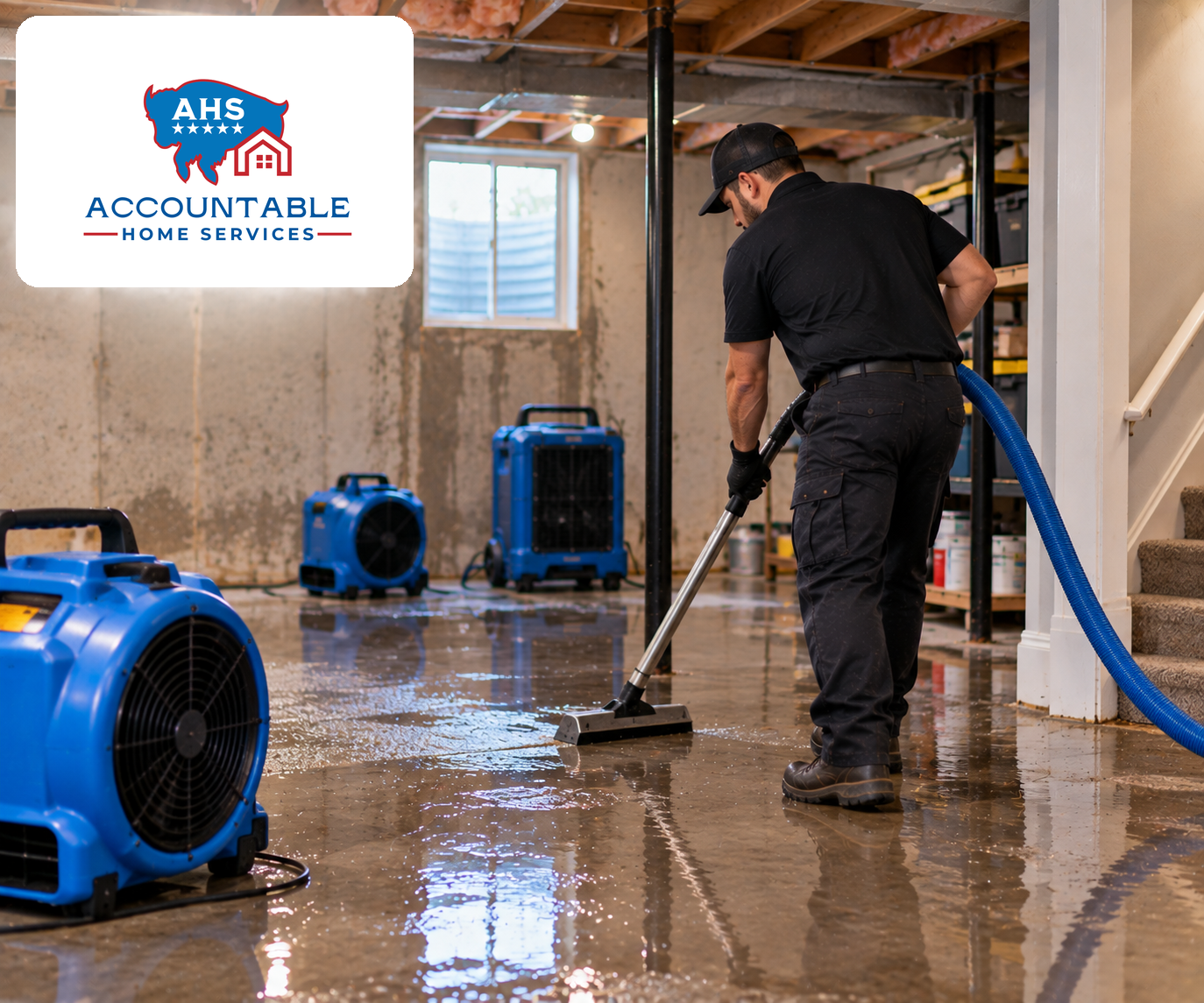
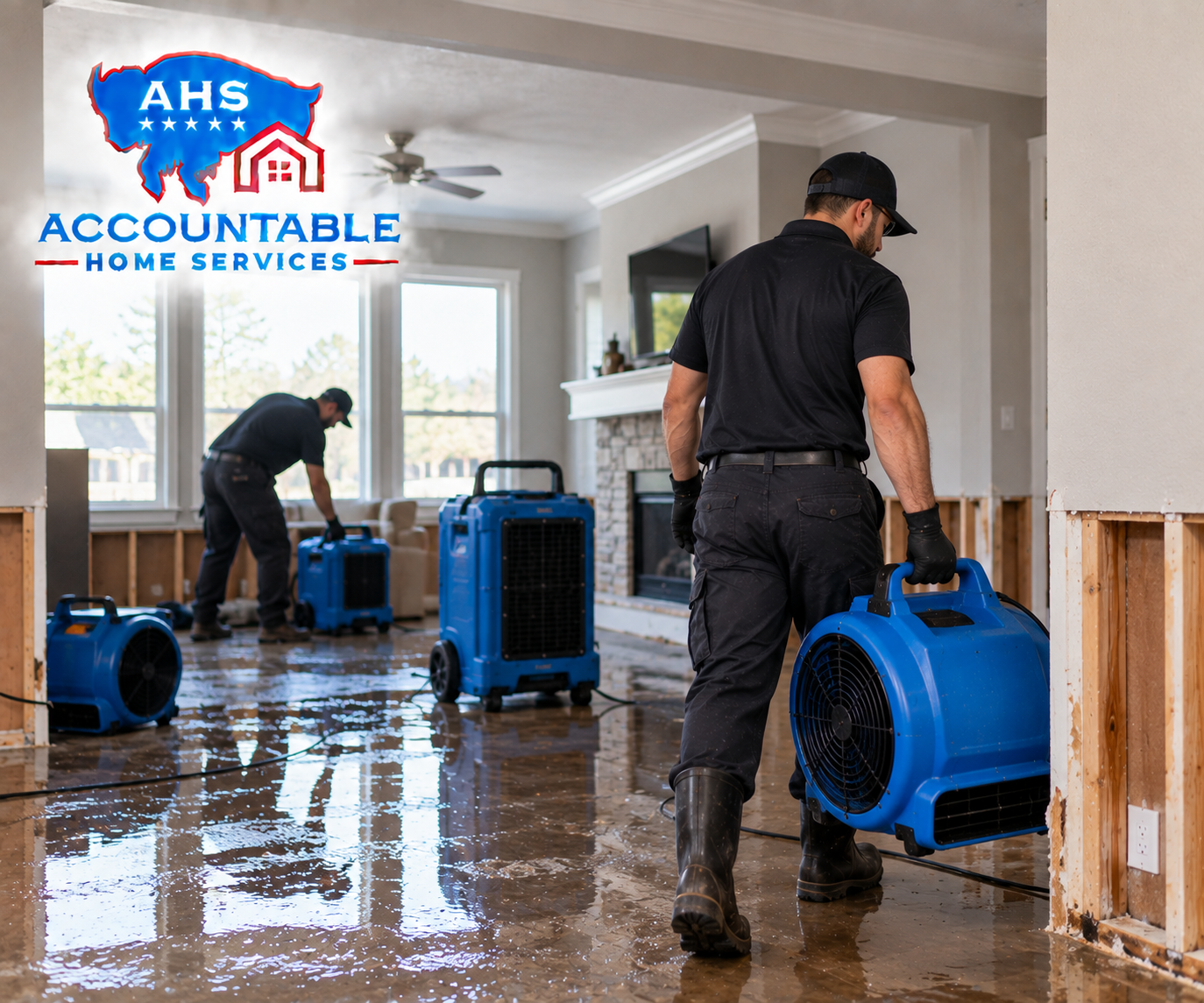
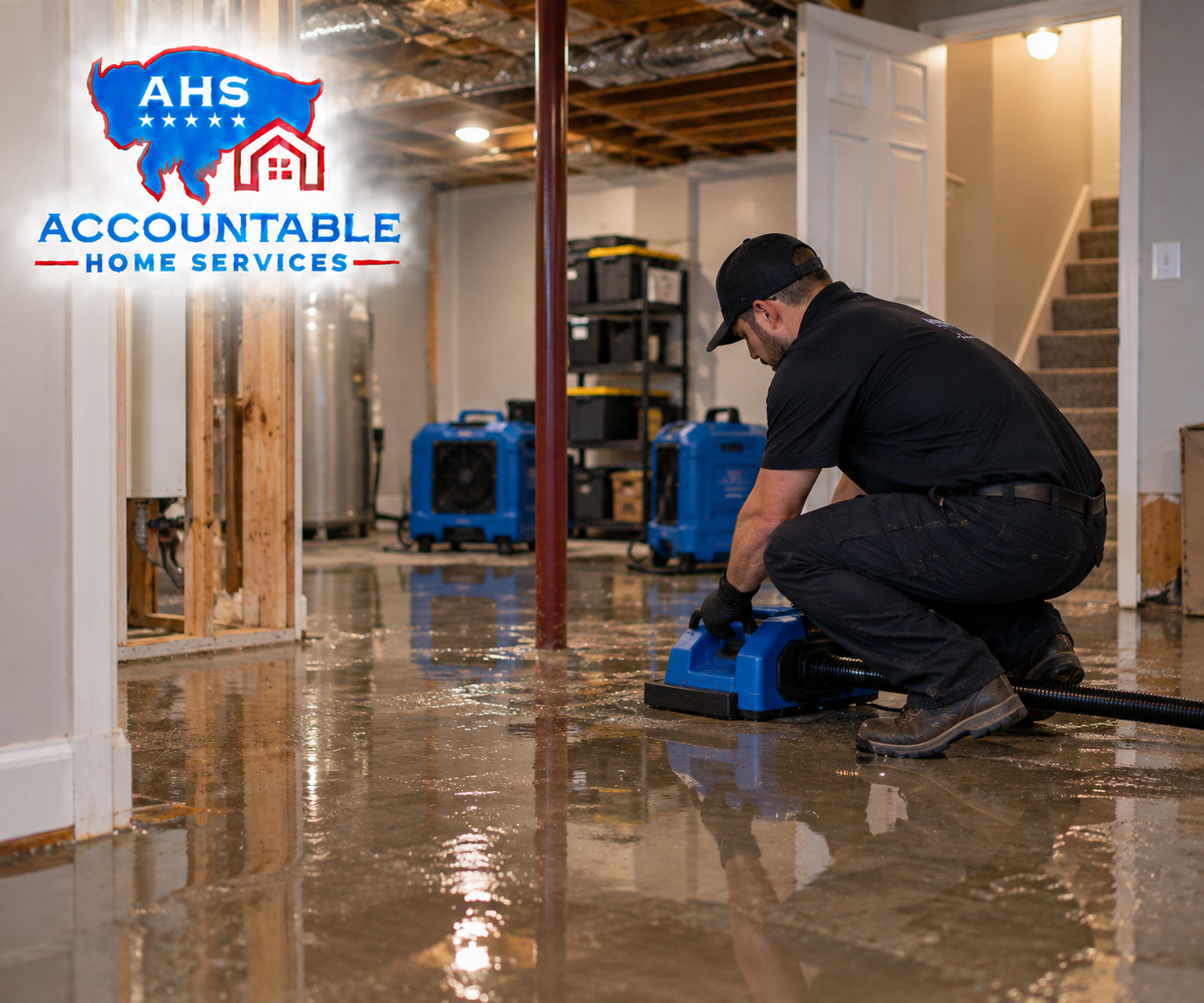
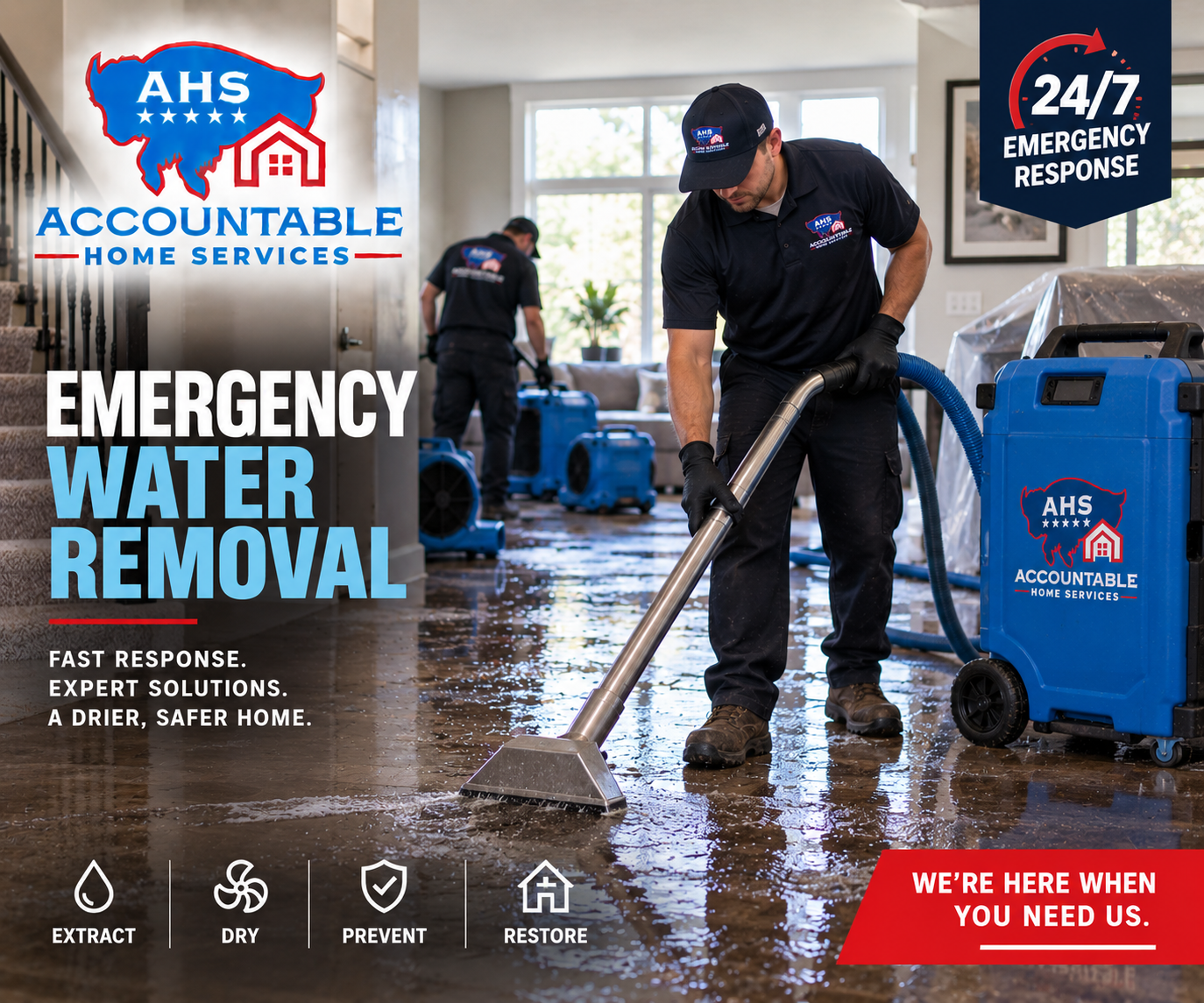
Standing water removal may include pumps, extraction tools, wet vacuum equipment, and removal of saturated materials when needed. In a flooded basement cleanup, for example, water may collect at floor edges, under carpet pad, around stored belongings, and behind finished walls. Even after the floor looks better, the job is not done.
Extraction of visible water is the initial step in the cleanup process, not the entire restoration job. Water can remain inside materials long after the puddles are gone. A room may look clean on the surface while hidden moisture continues to sit in flooring, walls, baseboards, cabinets, and insulation. In many homes, that trapped moisture is the bigger problem than the visible water because it is harder to see and easier to miss without proper testing.
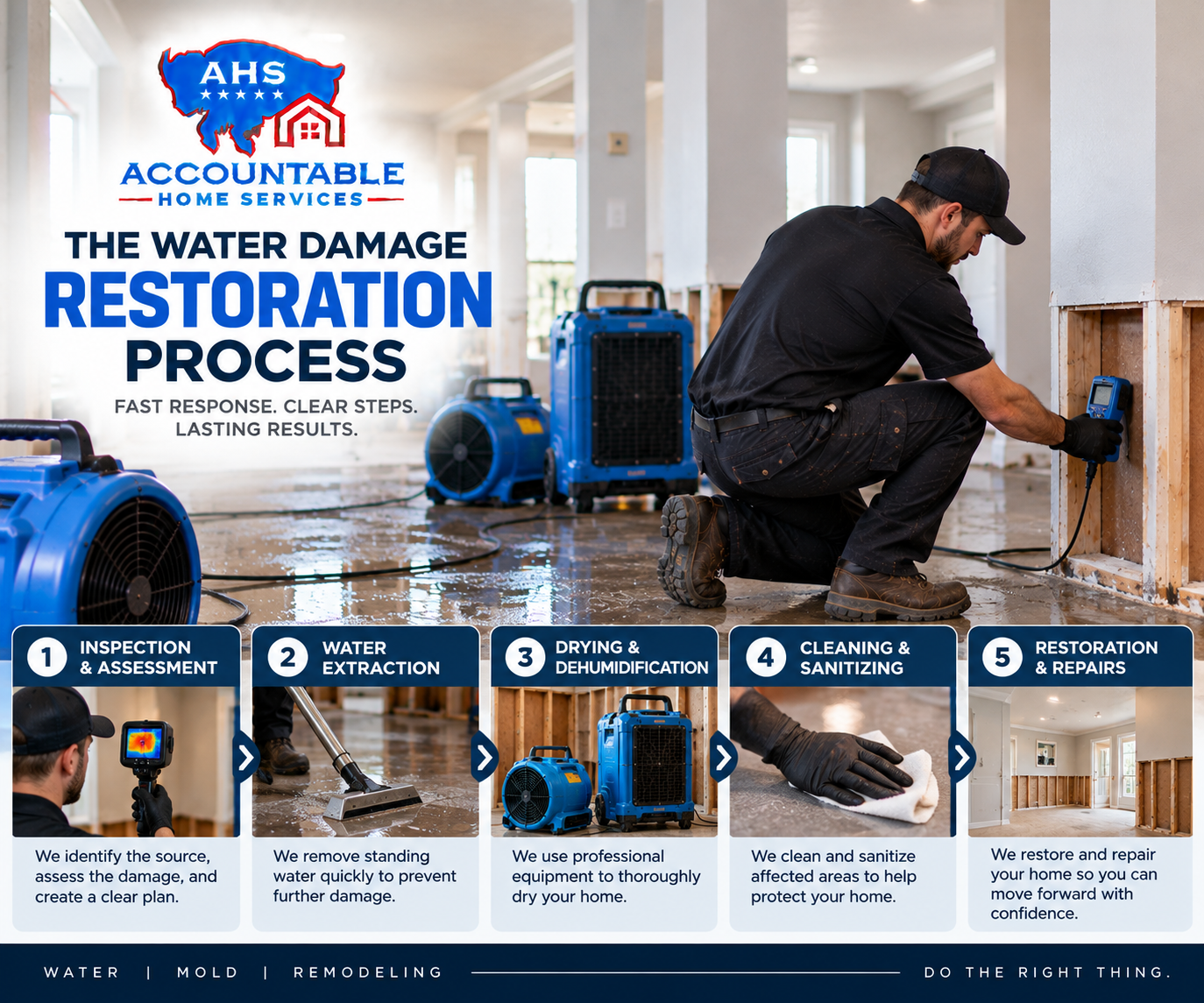
A complete water mitigation process usually includes:
- Extracting standing water from floors and affected areas.
- Checking moisture levels in nearby building materials.
- Moving or protecting contents when needed.
- Removing materials that cannot be dried properly.
- Setting drying equipment based on the size and type of loss.
- Monitoring moisture readings during structural drying.
- Documenting the work with photos, notes, and drying records.
This is why emergency water removal should lead directly into drying and moisture control. Extraction alone can make the room feel better, but additional steps are required to fully resolve the water damage.
Hidden moisture needs careful inspection
Hidden moisture is common after burst pipe water damage, appliance leak cleanup, basement flooding, and water heater failures. Water follows gravity, seams, cracks, and small openings. It can travel under finished flooring, behind trim, into cabinet toe kicks, and through insulation without leaving an obvious mark right away.
In Commerce City homes, basements and lower-level rooms can be especially tricky because water may spread across concrete, wick into drywall, or soak into carpet pad. Kitchens, laundry rooms, and bathrooms have their own challenges because cabinets, flooring layers, and wall openings around plumbing can hold moisture out of sight. A quick towel cleanup may handle a small spill, but it is not enough when water has reached porous materials or traveled under built-in finishes.
Professional mitigation teams use moisture meters and drying plans to decide what can be dried in place and what may need removal. The goal is not to remove more than necessary. The goal is to find the wet areas, dry them properly, and reduce the chance of lingering odor, material damage, or mold growth.
Proper drying supports mold prevention after water damage
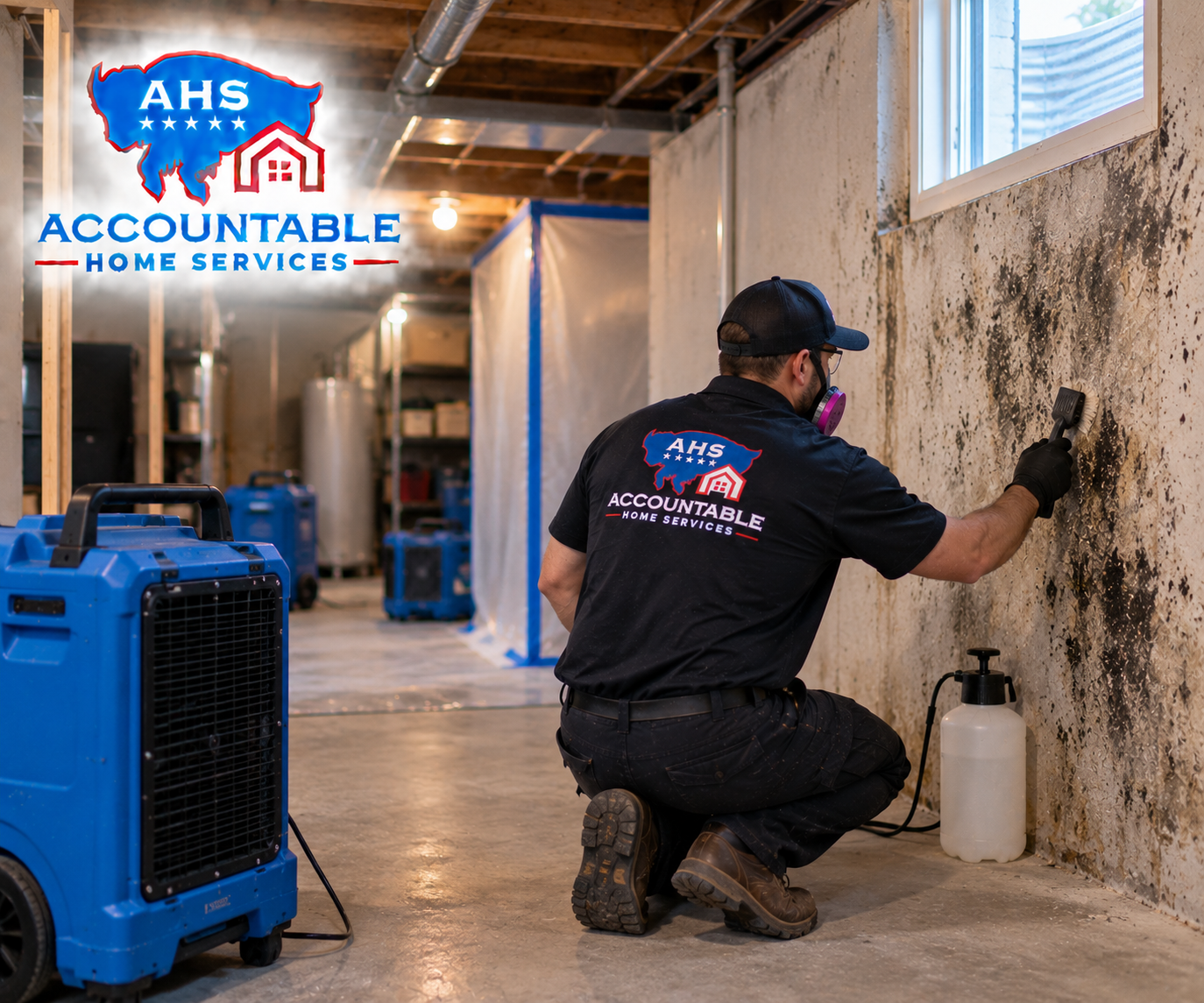
Mold prevention after water damage starts with fast extraction, good airflow, dehumidification, and moisture monitoring. The point is to create drying conditions that help wet materials return to an acceptable moisture level. This is a practical process, not a guessing game.
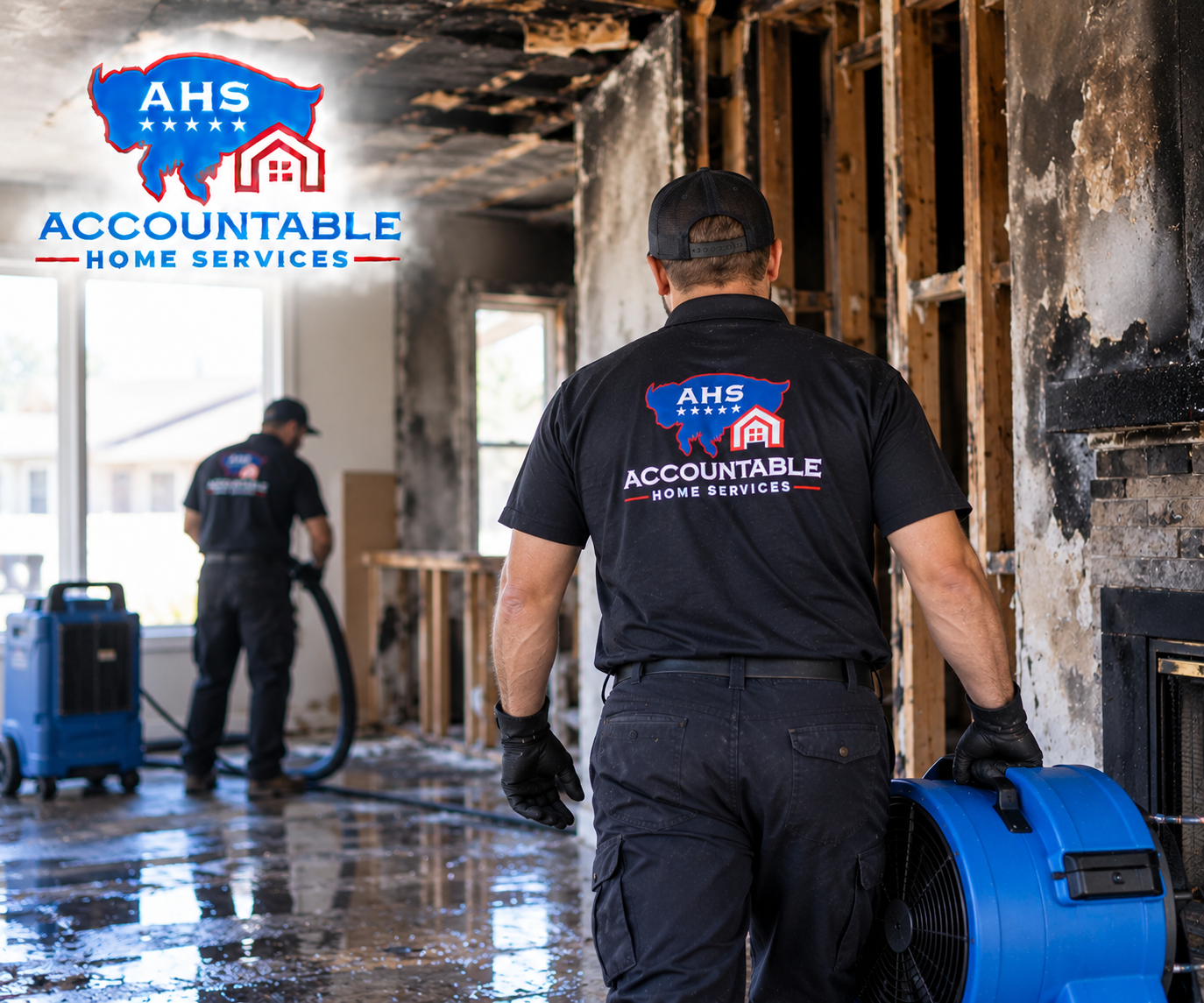
Structural drying may include air movers, dehumidifiers, containment in certain areas, and regular checks of affected materials. The drying setup depends on what got wet, how long it was wet, and whether the water came from a clean source or a contaminated one. A small supply line leak in a laundry room is handled differently than a drain backup or floodwater in a basement.
Homeowners should avoid relying only on fans from the garage or opening windows without understanding the conditions. Sometimes outside air helps. Other times, it adds humidity and slows drying. A restoration professional can explain the plan in plain language and show what is being monitored, so you are not left wondering whether the house is actually dry.
Documentation helps homeowners, agents, and property managers
Clear documentation is one of the most helpful parts of a water damage restoration project. Photos, equipment logs, moisture readings, affected-area notes, and repair recommendations can help homeowners understand the scope of the loss. This also helps insurance agents, adjusters, plumbers, and property managers stay on the same page.
For an insurance agent, the right restoration partner can make the client experience smoother. Homeowners are often stressed and unsure what is covered, what should be saved, and what needs to happen next. A calm mitigation team that documents properly and communicates clearly can reduce confusion during the claim process.
For plumbers, a reliable restoration referral protects the customer after the repair is made. The pipe may be fixed, but wet carpet, drywall, baseboards, cabinets, or insulation may still need mitigation. When plumbers can connect the homeowner with water mitigation help quickly, the customer gets a more complete solution.
For property managers, fast communication matters. A tenant report of water on the floor can become an owner complaint if no one explains the plan. Timely emergency water cleanup, photos, drying updates, and clear next steps help protect the property and the relationship with both tenant and owner.
Helpful documentation often includes:
- Photos of the source area and affected rooms.
- Notes about when the loss was discovered.
- Moisture readings from flooring, walls, baseboards, cabinets, and other materials.
- A list of affected contents or building materials.
- Drying equipment placement and monitoring notes.
- Recommendations for repairs after mitigation is complete.
Good documentation does not guarantee claim approval, and no restoration company should promise coverage. It does, however, give the homeowner and insurance team better information to work from.
Common water damage situations in Commerce City homes
Emergency water removal is often needed when a normal household system fails without much warning. A water heater can release water across a basement floor. A refrigerator supply line can soak kitchen flooring and cabinets. A washing machine hose can send water into a laundry room, hallway, and nearby wall. During cold weather, a frozen or burst pipe can affect multiple rooms before anyone notices.
The same basic rule applies in each case: remove visible water quickly, then check for hidden moisture. Appliance leak cleanup may look small at first, especially if the water is mostly under the appliance or cabinet. Burst pipe water damage may be more obvious, but the full wet area can still extend beyond what you see. Flooded basement cleanup can involve stored belongings, finished walls, flooring, and mechanical areas all at once.
If you are unsure whether the damage needs professional help, look for signs that water traveled beyond a small surface spill. Soft flooring, swelling trim, damp drywall, musty odor, wet carpet pad, water under cabinets, or moisture in more than one room are all reasons to call for an inspection.
A clear process keeps the cleanup organized
A steady process helps everyone make better decisions. First, stop the source or bring in emergency plumbing if the leak is still active. Next, begin emergency water removal and document the condition of the affected areas. After that, the restoration team checks moisture, removes unsalvageable wet materials if needed, sets drying equipment, and monitors progress until the structure is dry enough for repairs.
Homeowners do not need to know every technical term. They should know what rooms are affected, what materials are wet, what equipment is being used, and what the next step will be. That kind of communication is especially important when an insurance claim, tenant issue, or plumbing repair is involved.
The Local Restoration Guide approach is simple: explain the situation clearly, avoid scare tactics, and focus on the next right step. If your home, rental property, or client has water damage in Commerce City or the surrounding Denver metro area, do not stop at surface cleanup. Get the water extracted, have hidden moisture checked, and make sure the drying work is documented from the start.
For emergency water removal, water extraction, structural drying, or guidance after a leak, reach out for local water damage restoration support as soon as it is safe to do so.