Storm Damage Restoration in Thornton, CO: What Homeowners Should Do First

Storm Damage Restoration in Thornton, CO: What Homeowners Should Do First
When a hard storm moves through Thornton, the first few hours matter. Wind, hail, heavy rain, and fast runoff can leave obvious damage outside, but the bigger concern is often water that gets into walls, insulation, flooring, basements, and ceiling cavities. This guide explains what to check first, how to stay safe, when to call for storm damage restoration in Thornton CO, and how clear documentation can support a storm damage insurance claim Colorado homeowners may need to file.
The storm is over — what should I check right now?
Start with safety, then look for active water, exterior openings, and signs that moisture has entered the home. You do not need to diagnose everything yourself, and you should not climb onto a wet roof or enter standing water. Your job is to spot the warning signs, limit further damage where you safely can, and call the right help before small leaks turn into larger storm water damage Thornton homes often experience after heavy weather.
Use this first-check list once the storm has passed and it is safe to move around:
- Check for immediate hazards. Stay away from downed power lines, sagging ceilings, broken glass, loose siding, and standing water near electrical outlets or equipment.
- Look for active leaks. Check ceilings, window frames, exterior doors, basement walls, attic access areas, and around fireplaces or vents.
- Listen and smell. Dripping sounds, musty odors, wet drywall, and damp carpet can point to hidden moisture after storm conditions.
- Check the basement first if water came toward the home. A flooded basement after storm runoff needs quick attention because water can move under flooring and behind finished walls.
- Take photos before moving items. If it is safe, document damage as you find it. This can help your restoration team and insurance carrier understand what happened.
- Call a restoration professional when water entered the structure. Plumbers can fix a broken pipe or sump issue, but water mitigation Thornton homeowners need after storm intrusion usually requires drying, moisture mapping, and cleanup.
If you are unsure whether water got inside, treat it seriously. A stain on the ceiling or damp trim near a window may look minor, but it can be the visible part of a larger moisture path.
Exterior damage checks homeowners can do safely
After a storm, many Thornton homeowners walk outside and look for missing shingles or broken branches. That is a good start, but exterior storm damage is not always obvious from the driveway. Wind can lift roofing materials, hail can damage flashing or vents, and wind-driven rain can enter around windows, siding seams, and roof penetrations.
Stay on the ground for this inspection. Use your phone camera zoom or binoculars if you have them. If anything looks unsafe, stop and call a qualified professional.
Check these areas from a safe location:
- Roof edges and visible roof slopes. Look for missing shingles, lifted edges, exposed underlayment, loose ridge caps, or debris impact.
- Gutters and downspouts. Bent, detached, clogged, or overflowing gutters can send water toward the foundation and increase basement seepage.
- Siding and trim. Watch for cracked siding, missing trim pieces, gaps, dents, or sections pulled loose by wind.
- Windows and doors. Check for cracked glass, damaged seals, wet interior sills, and water staining around the frame.
- Vents, skylights, chimneys, and flashing. These are common entry points for roof leak water damage after hail or high winds.
- Grading and drainage. Look for pooling water near the foundation, washed-out landscaping, and downspouts discharging too close to the home.
- Decks, fences, and exterior structures. Loose boards or impact damage can create safety issues and may indicate the storm was strong enough to affect the home itself.
Hail damage water intrusion can be tricky because the roof may not look destroyed from the ground. Water may enter through small openings, then travel along rafters, insulation, or drywall before showing up as a ceiling stain in another room. That is why exterior damage checks should be paired with interior moisture checks.
Interior signs of storm water damage
Once you have checked outside, move indoors and work from the top of the home down. Storm water often enters at the roof or upper wall first, then travels through cavities before appearing at lower levels. A clean-looking room can still have moisture behind paint, trim, cabinets, or flooring.
Look closely at these interior areas:
- Ceilings below roof areas. New stains, bubbling paint, soft drywall, or sagging sections may point to roof leak water damage.
- Attic access points. If you can safely look from the access opening, check for wet insulation, dark staining, or dripping. Do not walk in the attic if you are not comfortable or cannot see safe footing.
- Walls near windows and exterior doors. Wind-driven rain can push through small gaps and wet the drywall below.
- Baseboards and flooring. Swollen trim, cupping wood floors, loose laminate, and damp carpet can indicate water has spread.
- Basement walls and floor joints. Seepage, puddles, wet boxes, and damp concrete after heavy rain should be addressed quickly.
- Utility rooms and sump areas. If a sump pump failed or could not keep up, water may have reached mechanical equipment or finished materials.
If you find wet carpet, soaked drywall, or water under flooring, avoid using household fans as the only drying method. Fans can move surface moisture, but they do not confirm whether the structure is dry. Proper water damage restoration Thornton properties need often includes moisture readings, controlled drying equipment, removal of unsalvageable materials, and follow-up checks.
Hidden moisture after a storm creates the bigger problem
Visible storm damage gets attention first because it is easy to see. Missing shingles, broken branches, stained ceilings, and puddles all feel urgent. But hidden moisture after storm activity can cause more trouble because it stays trapped where homeowners cannot see it.
Water follows gravity, building materials, and the easiest path available. It can run behind drywall, soak insulation, sit under vinyl plank flooring, or collect inside wall cavities. In a basement, water may enter along the floor-wall joint and wick upward into drywall or wood framing. Near the roof, a small opening around flashing can wet insulation before the ceiling ever stains.
That hidden moisture matters for three practical reasons:
- Materials can keep absorbing water. Drywall, carpet pad, insulation, and wood can hold moisture after the surface looks dry.
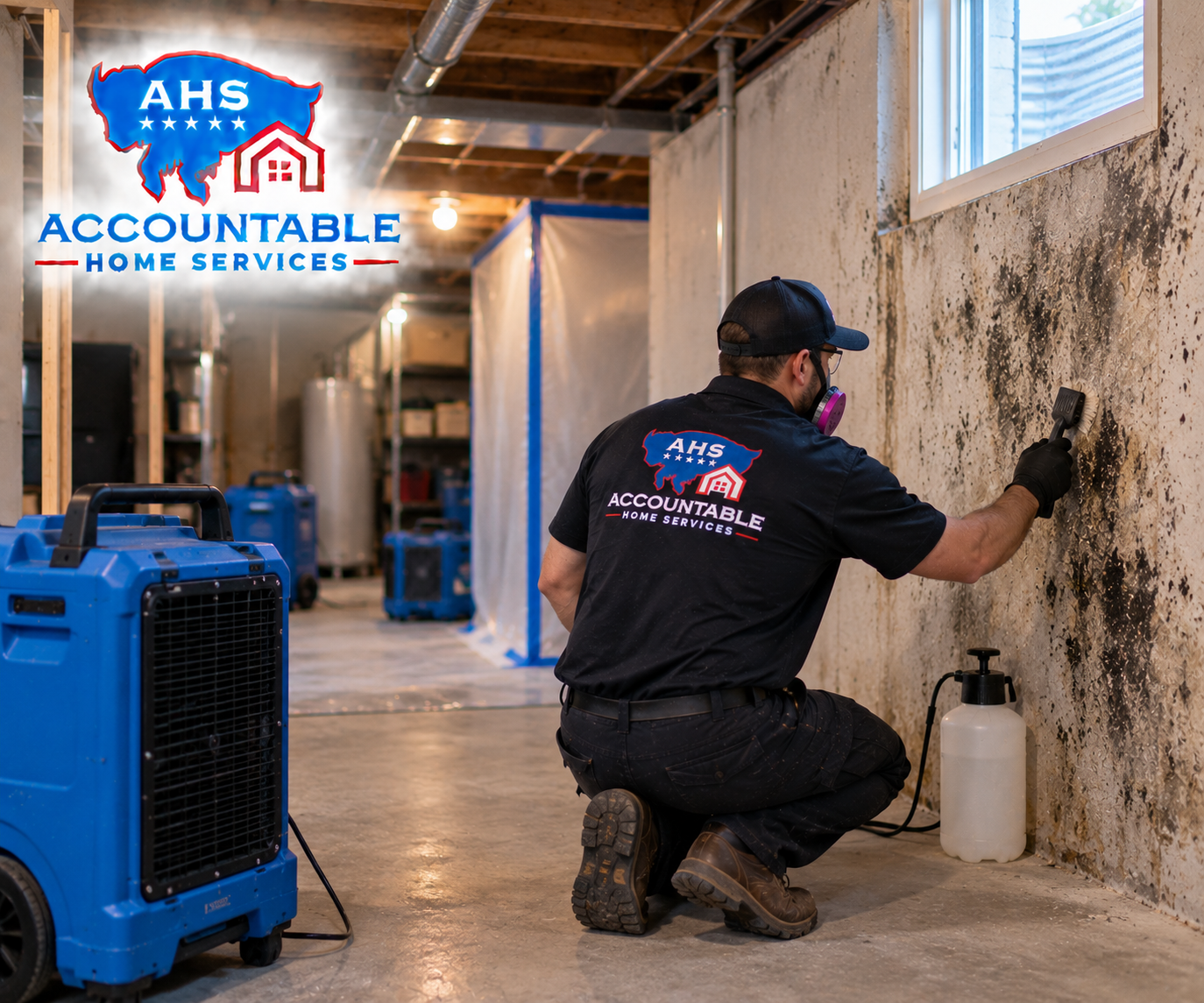
- Odors and mold concerns can develop. Damp enclosed spaces can create musty smells and may lead to microbial growth if not dried correctly.
- Repairs may fail if drying is skipped. Painting over a stain or replacing trim before the structure is dry can trap moisture and create repeat damage.
This is where professional storm damage cleanup Thornton homeowners rely on becomes important. A restoration technician can use moisture meters and thermal imaging as part of a larger inspection to locate damp areas that are not obvious. The goal is not to make the situation sound worse than it is. The goal is to confirm what is wet, dry what can be saved, remove what cannot, and document the process clearly.
Flooded basements and roof leaks need quick action
Two common storm calls in the Denver metro area are flooded basements and roof-related leaks. They may look like different problems, but the response has the same basic goal: stop more water from entering, remove what is already there, and dry affected materials before damage spreads.
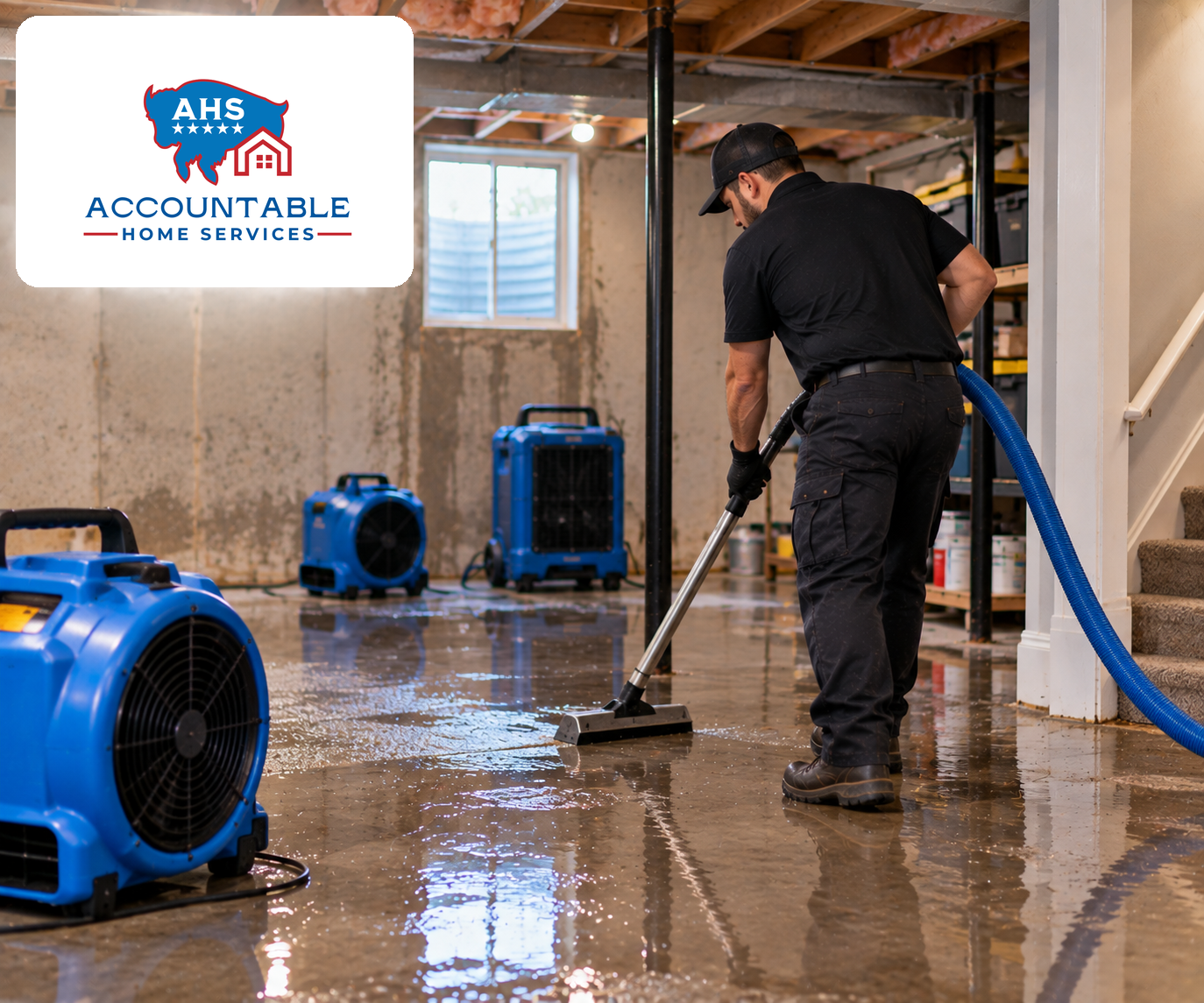
For a flooded basement after storm runoff, avoid walking into water if electricity may be involved. If you can safely reach the source of the problem, move valuables out of the wet area and place furniture legs on blocks or foil to reduce staining. Do not lift soaked carpet without guidance if it may be contaminated or if the water source is unclear.
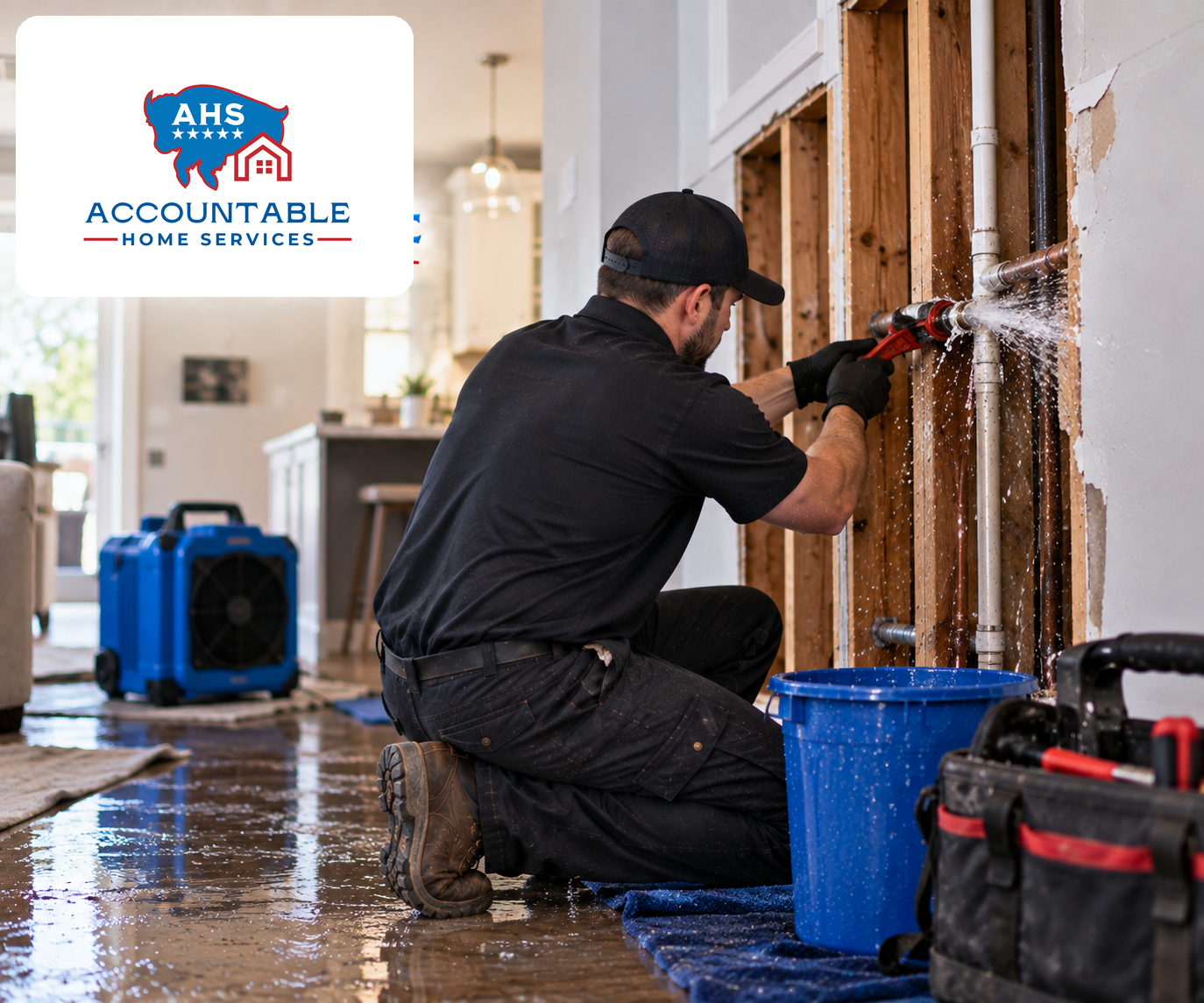
For roof leak water damage, place a bucket under active drips if it is safe, move furniture and electronics, and avoid poking large holes in sagging drywall. A bulging ceiling can release water suddenly, so keep people and pets away from that area. A roofing contractor may be needed for the exterior repair, while a restoration team handles interior water mitigation, drying, and damaged materials.
Wind damage restoration may also involve loose siding, damaged vents, or openings where rain entered sideways. In these cases, temporary protection may be needed before interior drying can work. If water keeps entering, mitigation becomes harder and damage can spread into adjacent rooms.
Clear documentation supports the insurance process
A storm damage insurance claim Colorado homeowners file is easier to understand when the damage is documented from the beginning. Good documentation does not mean exaggerating the loss. It means creating a clear record of what happened, what was affected, and what steps were taken to reduce further damage.
Before cleanup begins, if it is safe, gather the following:
- Photos and videos of each affected area. Take wide shots to show the room, then close-ups of stains, wet materials, broken exterior components, and standing water.
- Time and date notes. Write down when the storm occurred, when you first noticed damage, and when water was actively entering.
- Weather-related details. Note hail, high winds, heavy rain, power loss, sump pump failure, or visible runoff toward the home.
- Damaged belongings. Photograph affected boxes, furniture, rugs, electronics, and stored items before disposal.
- Mitigation steps. Keep a record of calls made, emergency services requested, temporary protection, water extraction, drying equipment, and material removal.
- Receipts and invoices. Save costs related to emergency storm cleanup, temporary repairs, lodging, supplies, or professional services.
Insurance agents appreciate restoration partners who communicate clearly and do not create extra confusion for the client. Property managers need the same thing for owners and tenants. A restoration company should provide moisture readings, photos, scope notes, and drying records when appropriate so the claim has useful support and the next decision is easier to make.
If you have not opened a claim yet, you can still begin documenting. If you already have a claim number, share it with the restoration team so communication is organized from the start.
Professional storm damage restoration helps prevent repeat damage
Storm damage repair is not only about removing water or replacing damaged materials. The full process should connect the dots between the source, the affected areas, the drying plan, and the documentation. That is especially important when a home has multiple issues, such as hail-damaged roofing, wet insulation, basement seepage, and damp drywall in separate rooms.
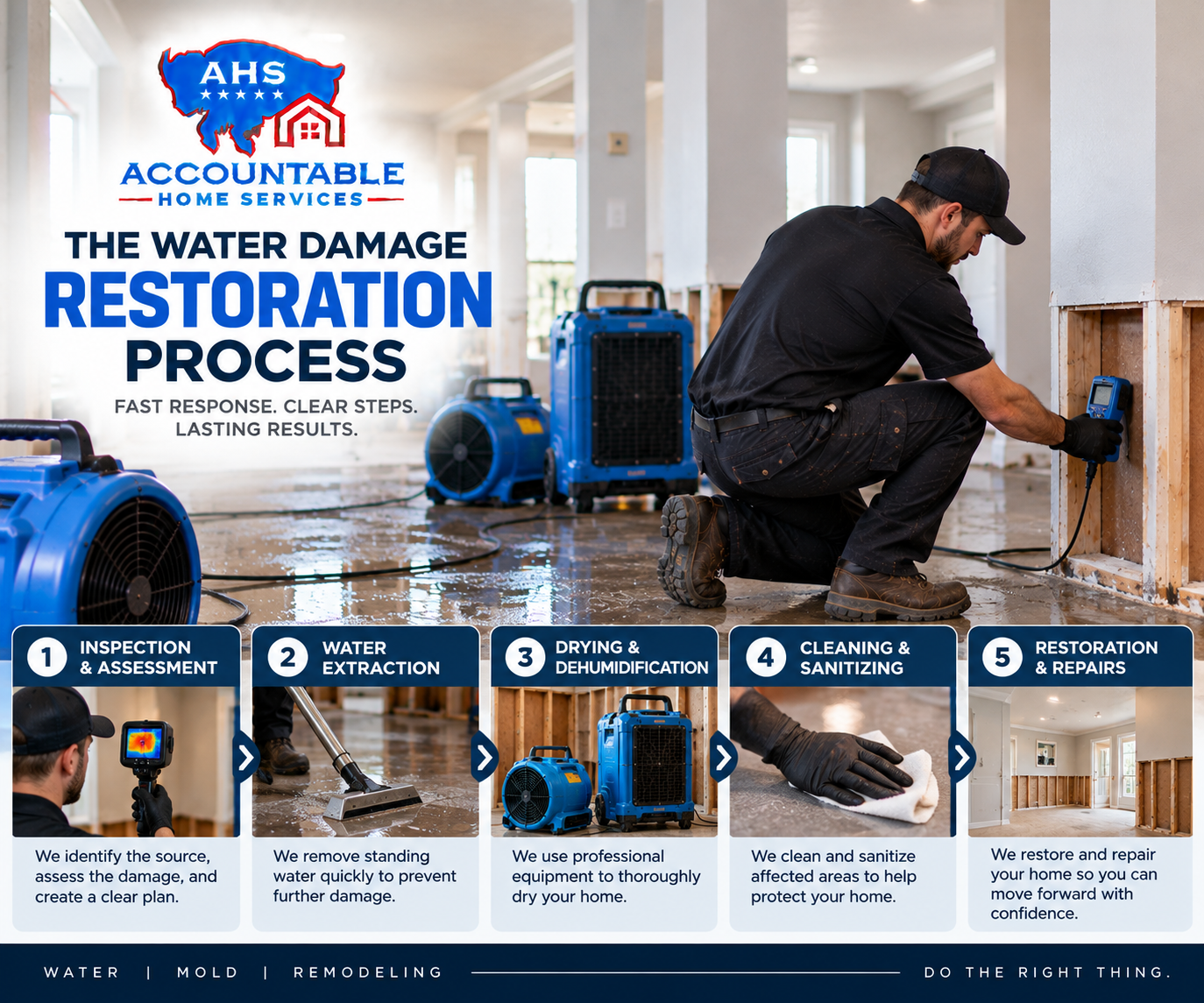
A typical storm damage restoration process may include:
- Initial safety review and inspection. The team identifies hazards, affected rooms, and likely water entry points.
- Moisture mapping. Technicians check walls, floors, ceilings, and hidden areas to understand how far moisture traveled.
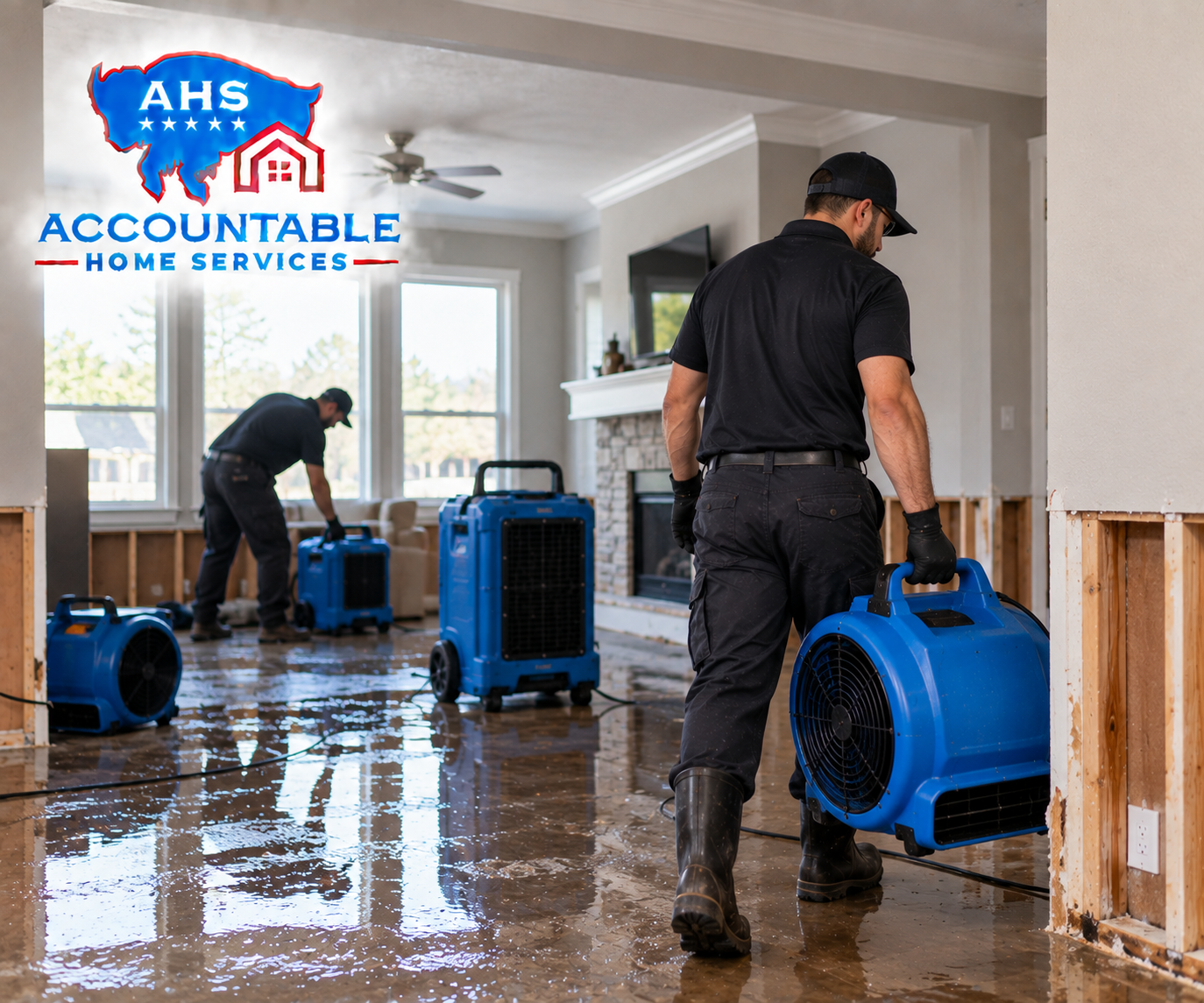
- Water extraction and cleanup. Standing water and wet debris are removed where needed.
- Selective material removal. Unsalvageable carpet pad, drywall, insulation, or trim may need to come out so drying can be effective.
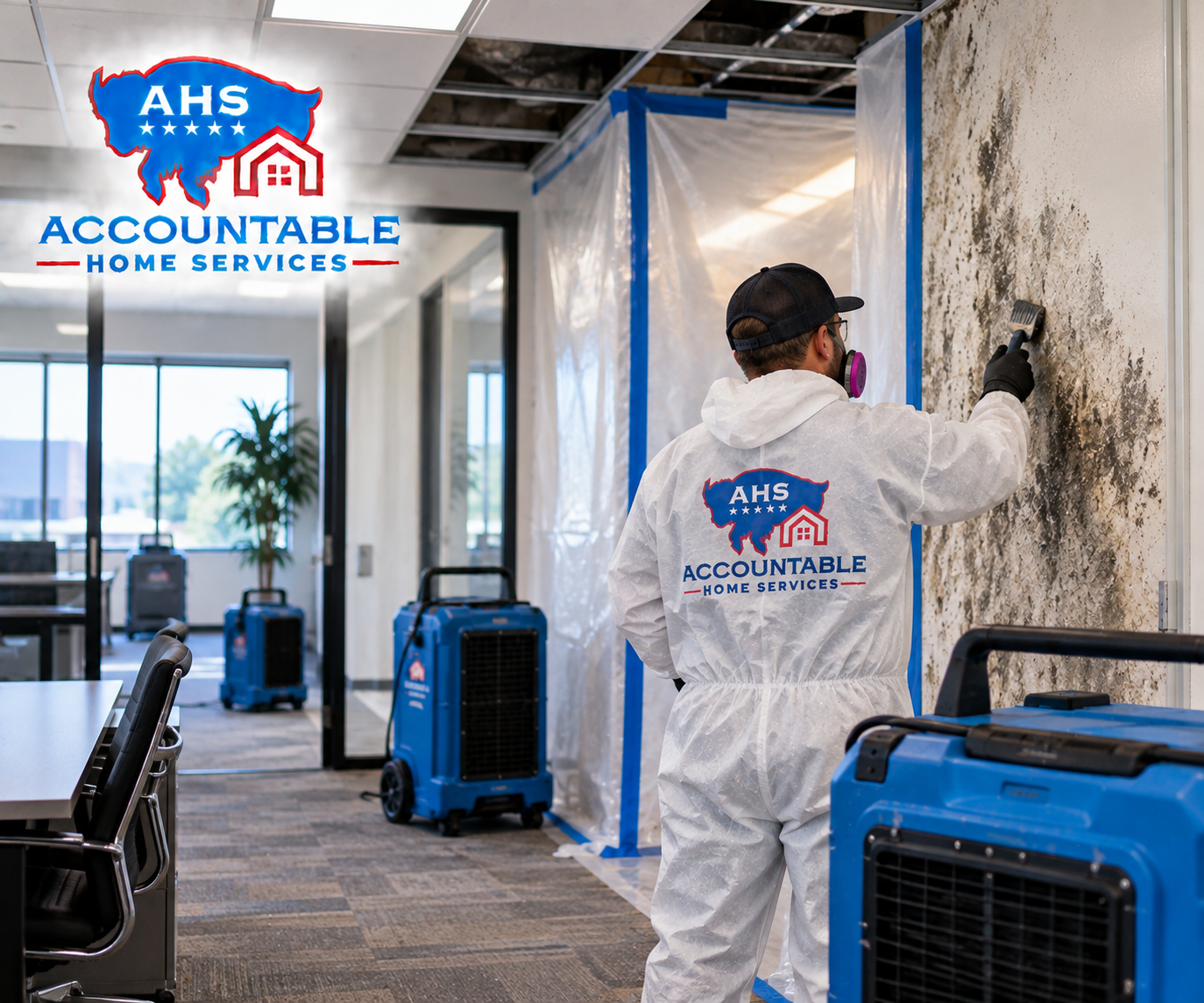
- Structural drying. Air movers, dehumidifiers, and monitoring help bring materials back toward normal dry conditions.
- Documentation. Photos, readings, notes, and job details help homeowners, agents, and property managers understand the work performed.
- Repair coordination. Once dry, storm damage repair can move forward with fewer surprises.
Commercial storm damage restoration follows the same basic principles, but communication becomes even more important. A property manager may need tenant updates, owner summaries, access coordination, and documentation for multiple affected units or shared areas. Fast response matters, but steady communication matters too.
Local help for Thornton homeowners and referral partners
Thornton homes face a mix of hail, wind, heavy rain, snowmelt, and drainage issues. Some neighborhoods deal with basement seepage after fast runoff. Others see roof and siding damage when storms move across the north Denver metro area. No matter where the water starts, the right first step is to slow the damage and get a clear picture of what is wet.
This page is written for homeowners, but it is also useful for the people they call first. Insurance agents often need a restoration partner who can explain the process without overwhelming the client. Plumbers need a reliable referral when the pipe, sump, or drain issue is only part of the problem. Property managers need responsive help that protects the property, keeps tenants informed, and supports the owner with organized documentation.
Call for storm damage restoration when you notice:
- Water entering through the roof, siding, windows, or basement
- New ceiling stains, damp drywall, wet carpet, or musty odors
- A flooded basement after storm activity
- Suspected hail damage water intrusion
- Wind damage that created openings in the building
- Moisture that may be hidden behind walls, flooring, or insulation
- A need for documentation related to a storm damage insurance claim
If the storm is over and you are asking, “What should I check right now?” start with safety, document what you see, and do not wait on water inside the structure. For storm damage restoration, storm damage cleanup Thornton support, water mitigation Thornton service, or water damage restoration Thornton guidance, reach out to a local restoration professional who can inspect the damage, explain the next step, and help you move forward with less stress.