Water Damage Restoration Near Me in Broomfield, CO: What Homeowners Should Know
Water Damage Restoration Near Me in Broomfield, CO: What Homeowners Should Know
When water enters a basement, utility room, finished living space, or rental unit, the right first steps can limit damage and make the restoration process much easier to manage. Homeowners, insurance agents, plumbers, and property managers in Broomfield need a clear plan for stopping the source, removing water, drying materials, documenting the loss, and deciding when repairs or mold remediation are necessary. This guide explains what to expect from professional water mitigation Broomfield services and how to move from emergency response to a safer, drier property.
Who can help right now after water damage?
For active flooding or recent water damage, the immediate help usually comes from two professionals: a plumber to stop a plumbing failure and an emergency water damage restoration company to handle extraction, drying, moisture inspection, and documentation. If the issue involves burst pipe water damage, a failed water heater, an overflowing fixture, or a drain backup, the plumber addresses the mechanical source while the restoration team protects the structure and contents from ongoing damage.
When you search for water damage restoration near me, look for a local team that can respond quickly, explain the mitigation plan in plain language, and document what they find before materials are moved or removed. For emergency water damage Broomfield situations, speed matters because standing water can spread into framing, insulation, baseboards, flooring, and wall cavities. Mold after water damage is also a concern, especially when damp materials remain wet for more than a day or two.
When professionals arrive, expect them to first evaluate safety. They may ask about the source of water, when the damage occurred, whether power is affected, whether sewage is involved, and whether anyone has already shut off the water. Then they will inspect visible damage, take moisture readings, begin water extraction Broomfield work if standing water is present, and explain what drying equipment may be needed.
Immediate homeowner checklist
Before help arrives, focus on safety, documentation, and preventing additional water from entering the home. Do not put yourself at risk to save materials.
- Stop the source if you can do so safely. Shut off the main water valve for a plumbing leak or contact the appropriate utility if the situation involves electrical hazards.
- Avoid standing water near electricity. Do not walk into water if outlets, appliances, panels, or cords may be affected.
- Call the right trade early. A plumber can repair the leak; a restoration company handles water damage cleanup Broomfield work, drying, and mitigation documentation.
- Take photos and short videos. Capture the source, affected rooms, wet flooring, damaged contents, and water lines on walls or furniture before cleanup begins.
- Move dry valuables only if safe. Relocate important documents, electronics, and small belongings away from wet areas, but do not disturb contaminated water.
- Do not rely on household fans alone. Air movement without moisture measurement can spread contamination or dry surfaces while leaving hidden moisture behind.
- Save damaged materials when practical. Your insurer may need documentation of flooring, drywall, baseboards, cabinets, or contents before disposal.
For property managers, this same checklist helps stabilize tenant situations. For plumbers, it clarifies when the job has moved beyond leak repair into professional mitigation. For insurance agents, it gives clients a calm sequence to follow while the claim picture is still developing.
The restoration process from first call to repair
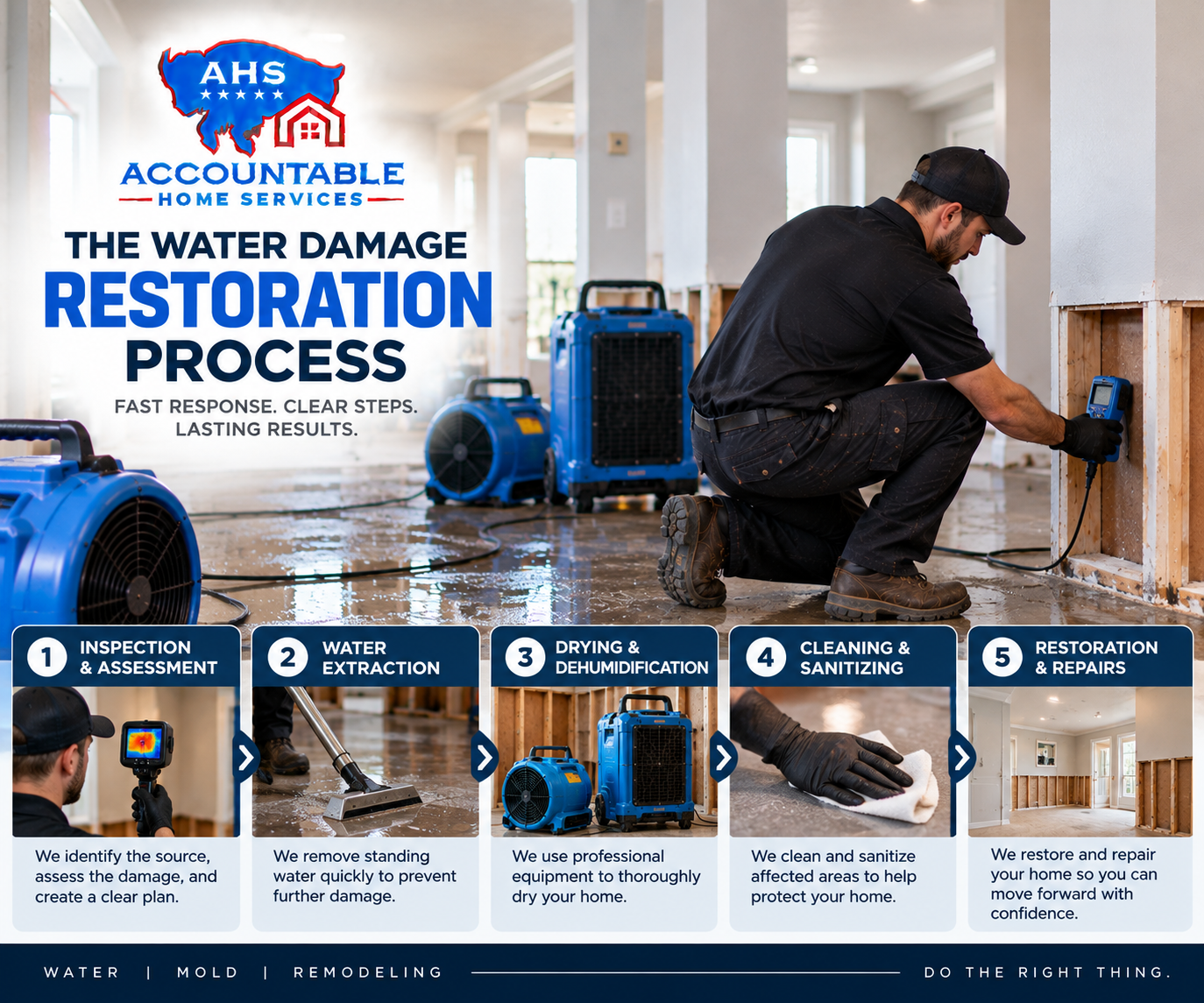
A professional water damage restoration Broomfield CO response is not just cleanup. It is a controlled process designed to remove water, reduce secondary damage, verify dryness, and create a documented record of the loss. The exact scope depends on water source, affected materials, temperature, humidity, contamination level, and how long the water has been present.
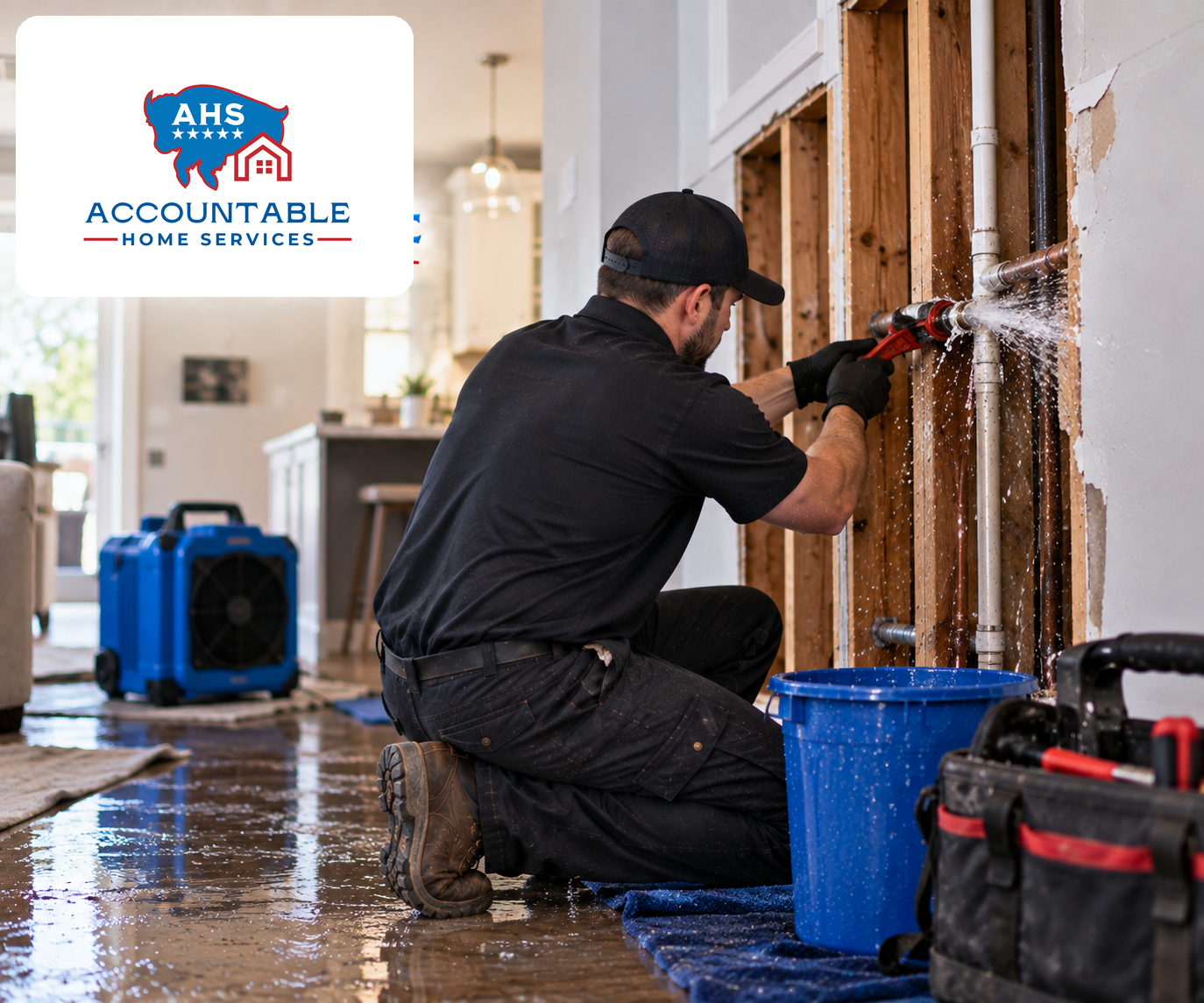
1. Stopping the water source
The first priority is to stop additional water from entering the property. In a plumbing loss, that may mean shutting off the main valve, isolating a fixture, repairing a failed supply line, or replacing damaged plumbing components. In a storm or drainage issue, it may mean redirecting water, clearing a sump area, or identifying exterior runoff problems until permanent repairs can be made.
Restoration teams often coordinate with plumbers because drying cannot be effective if the leak is still active. A good mitigation plan begins only after the source is controlled or clearly understood.
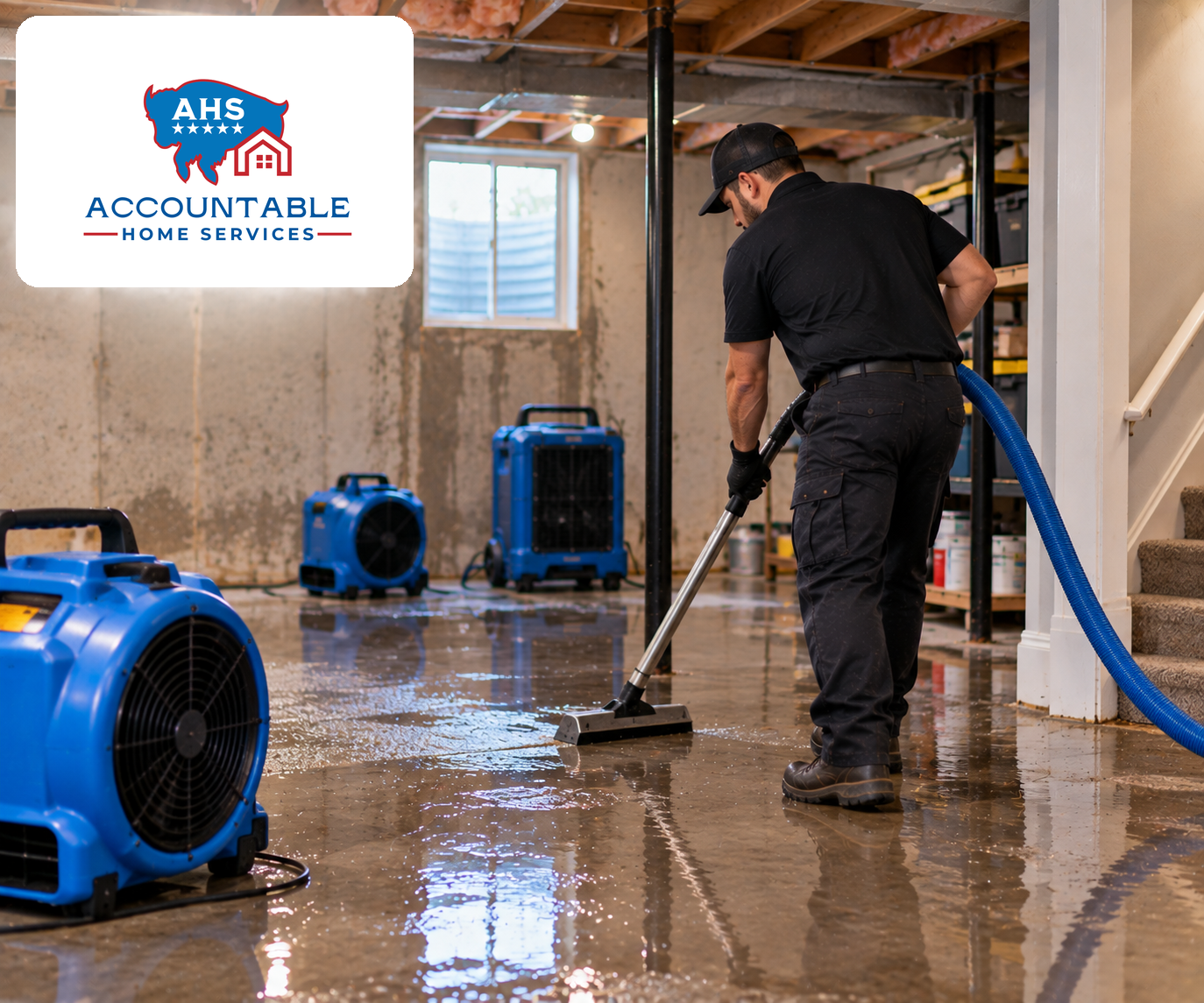
2. Extracting standing water
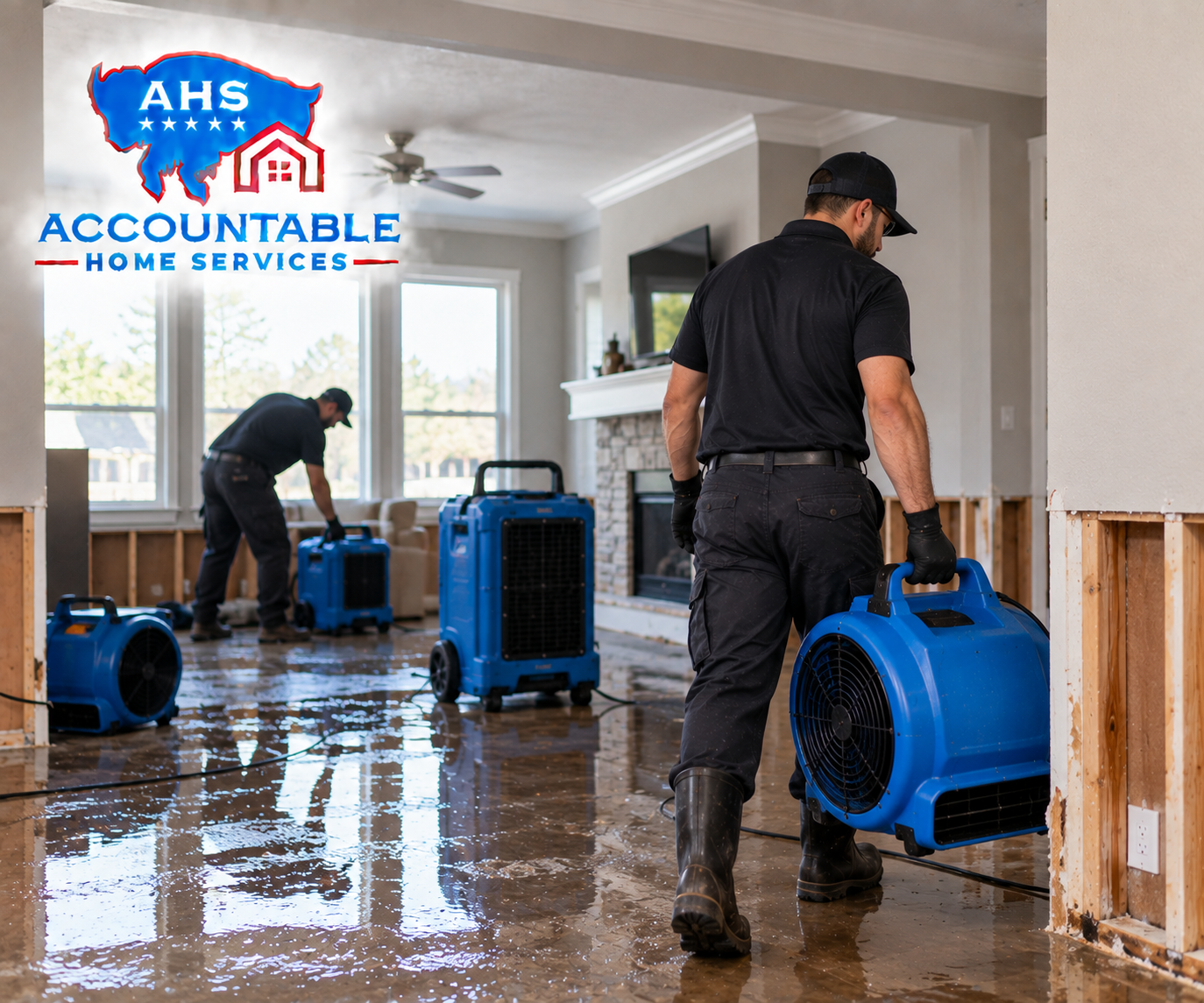
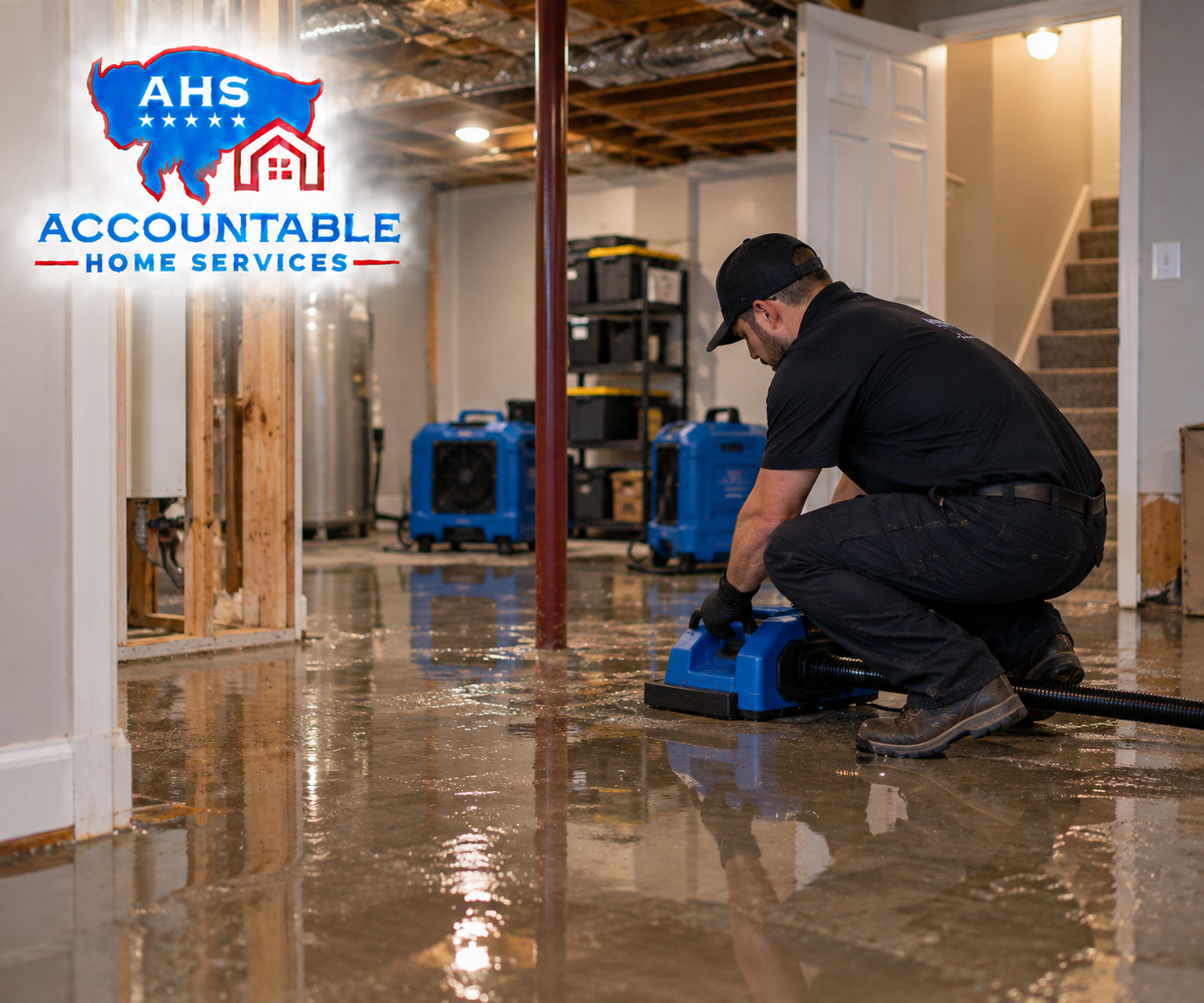
Once the area is safe and the source is stopped, technicians remove standing water from floors, carpet, padding, and other affected surfaces. Fast extraction reduces the amount of water that migrates into porous materials. In flooded basement cleanup, this step is especially important because concrete, framing, trim, stored contents, and finished basement materials can all hold moisture differently.
Professional extraction equipment removes more water than towels, shop vacs, or household methods. The practical benefit is shorter drying time and less opportunity for water to keep spreading into adjacent spaces.
3. Checking for hidden moisture
Visible water is only part of the problem. Hidden moisture can remain behind baseboards, under flooring, inside wall cavities, beneath cabinets, and within insulation. Certified technicians commonly use moisture meters and thermal imaging to identify damp areas that are not obvious to the eye.
This step matters because a room can look dry while structural materials remain wet. If those areas are missed, homeowners may later notice odors, staining, swelling, deterioration, or mold after water damage. Proper moisture mapping also helps determine whether materials can be dried in place or should be removed.
4. Setting up structural drying equipment
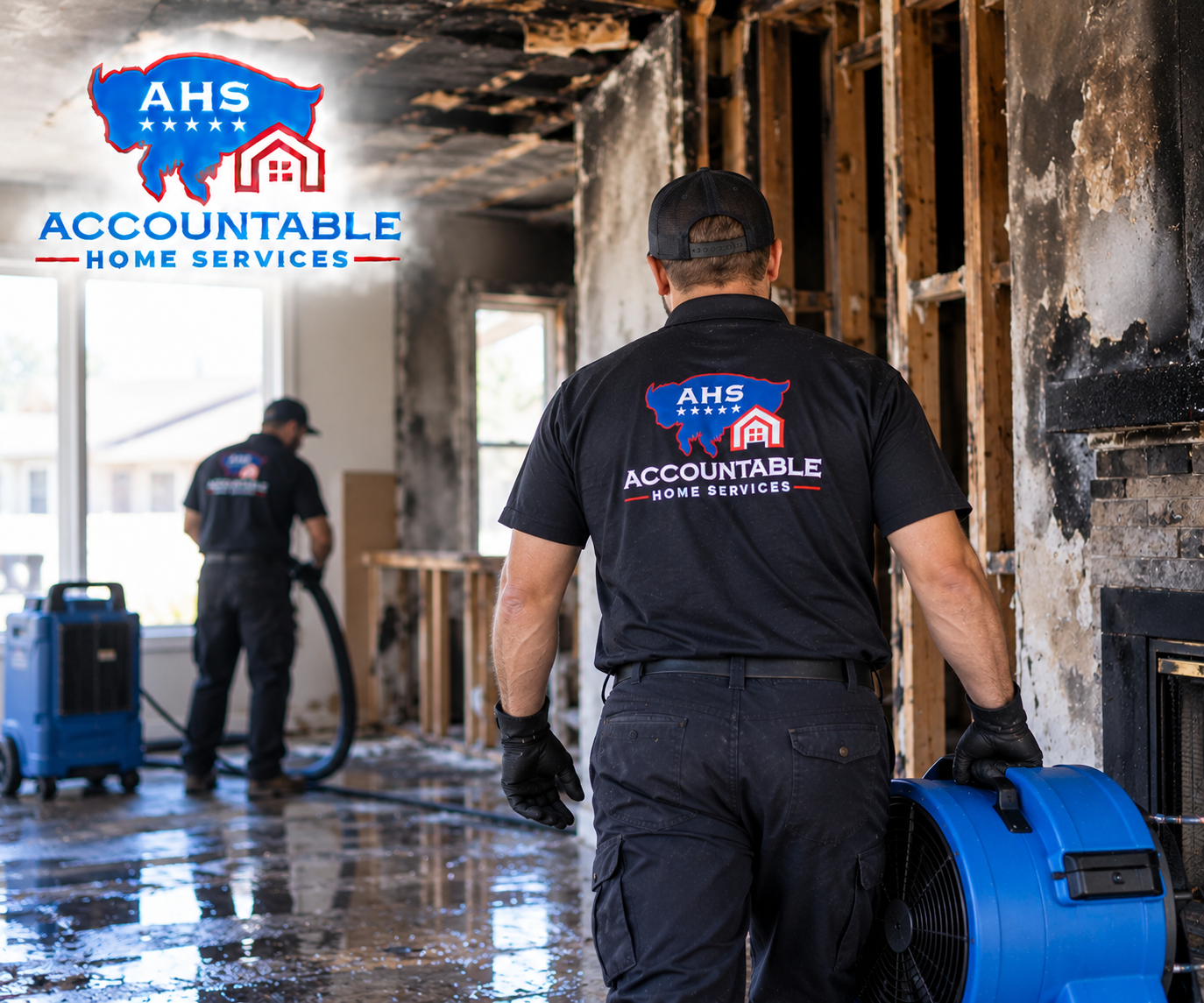
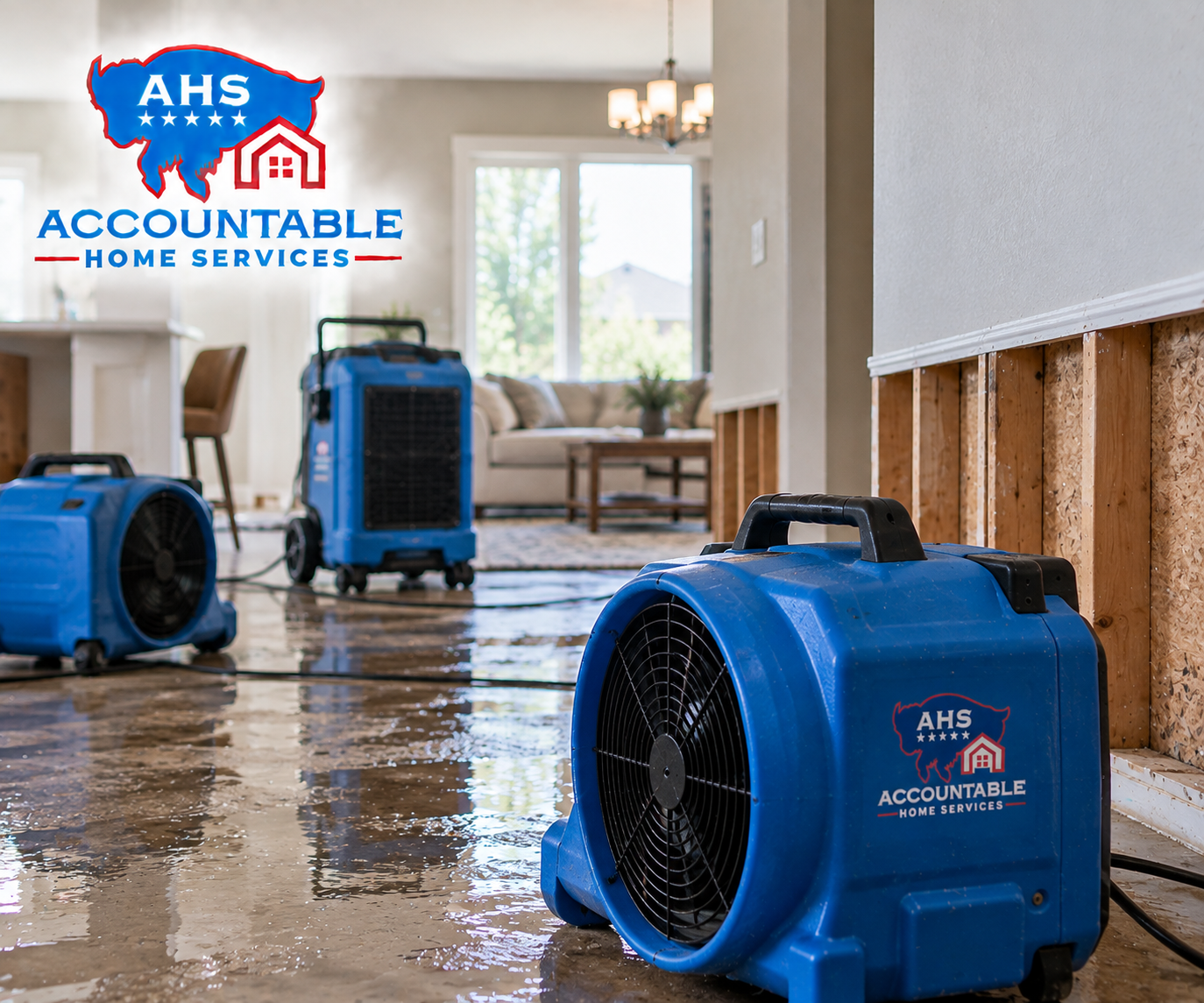
After extraction and inspection, the restoration team sets up drying equipment. This may include air movers, dehumidifiers, containment barriers, and air filtration equipment depending on the category of water and the affected materials. Structural drying is the process of drying the building materials themselves, not just making the air feel less humid.
In many water losses, drying takes several days, often around three to five days, though conditions vary. Finished basements, dense materials, cool temperatures, and delayed response can extend the timeline. The goal is not speed for its own sake; the goal is confirmed dryness.
5. Monitoring drying progress
Drying equipment should not simply be placed and forgotten. Technicians should return to take readings, adjust equipment, and confirm that moisture levels are moving in the right direction. This monitoring helps prevent under-drying, unnecessary demolition, and avoidable delays.
For insurance agents and property managers, this is where communication quality becomes especially important. Clear daily notes, moisture logs, photos, and scope updates can reduce confusion and help all parties understand why equipment remains in place or why materials must be removed.
6. Documenting the loss
Documentation supports decision-making and can be important for a water damage insurance claim Colorado homeowners may file. Restoration documentation may include photos, moisture readings, diagrams, affected material lists, equipment logs, and notes about the source and timeline. This record helps show what happened, what was done to mitigate further loss, and why certain repairs were necessary.
Most homeowners policies are written to treat sudden and accidental water damage differently from long-term seepage or gradual leaks. Coverage can vary, and the policy language controls the claim. A restoration company cannot promise coverage, but it can provide organized documentation that helps the homeowner, adjuster, agent, and contractor work from the same set of facts.
7. Beginning repairs when necessary
After the structure is dry and the scope is clear, water damage repair may begin. Repairs can include replacing drywall, insulation, trim, flooring, cabinetry, paint, or other damaged finishes. Some repairs may take only a few days, while larger reconstruction can take longer depending on material availability, contamination, and the size of the affected area.
The important sequence is mitigation first, repairs second. Covering wet materials with new finishes can trap moisture and create future problems.
Why Broomfield basements need careful moisture control
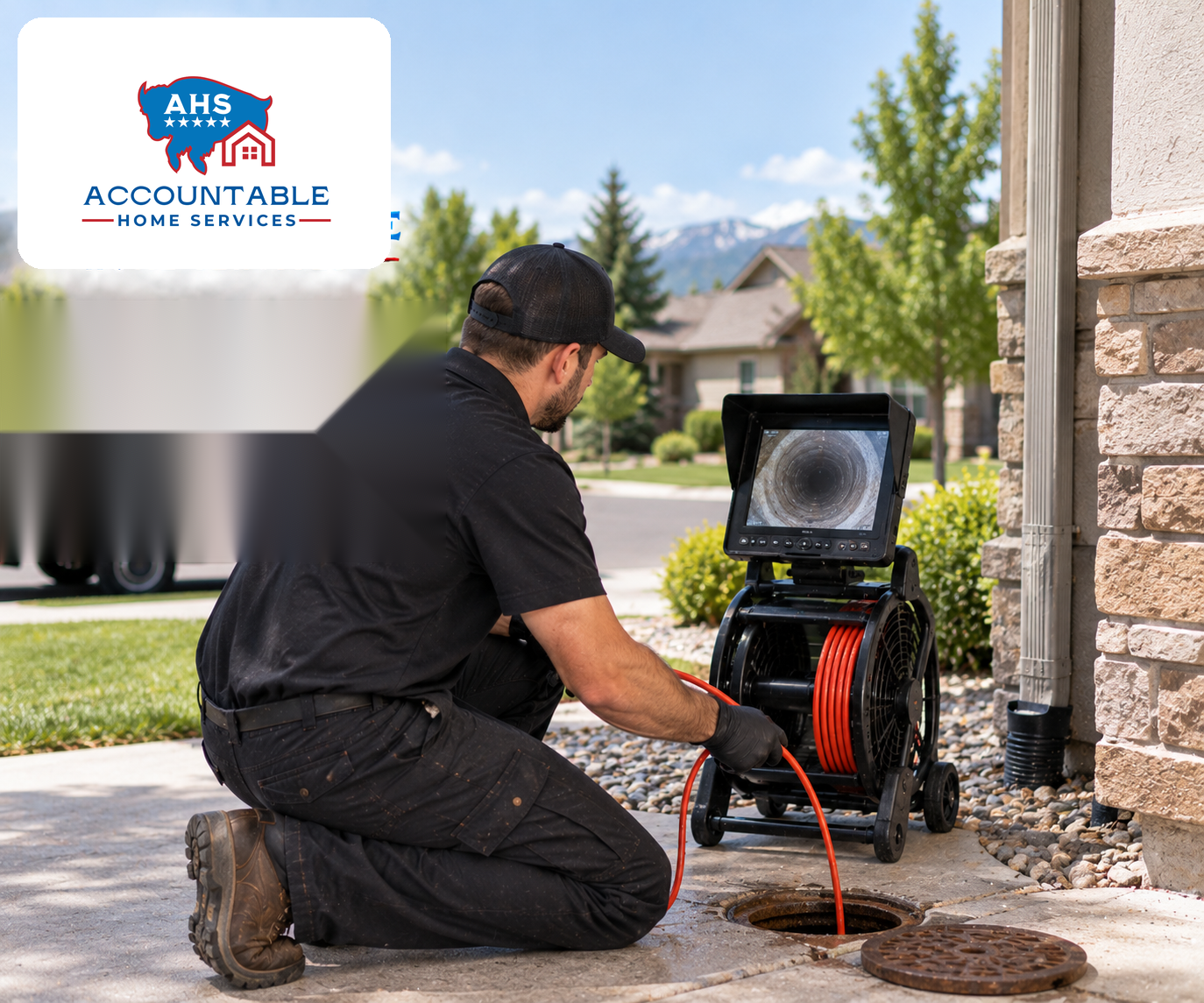
Broomfield homes can face water intrusion from plumbing failures, storms, grading issues, sump pump problems, appliance leaks, and foundation seepage. Local soil conditions, including expansive clay and bentonite in parts of the region, can affect drainage and pressure around foundations. When water collects near the foundation, small vulnerabilities can become recurring basement moisture problems.
That does not mean every damp basement requires major reconstruction. It does mean that repeated wet spots, musty odors, staining, or flooring movement should be taken seriously. A professional inspection can help distinguish a one-time water event from an ongoing drainage or foundation issue.
Prevention often comes down to maintenance and runoff control. Keep gutters clear, extend downspouts away from the foundation, maintain sump systems, inspect supply lines, and address negative grading where water flows toward the home. For rental properties, routine inspections after storms or tenant turnover can catch moisture concerns before they become larger repairs.
When does mold remediation become necessary?
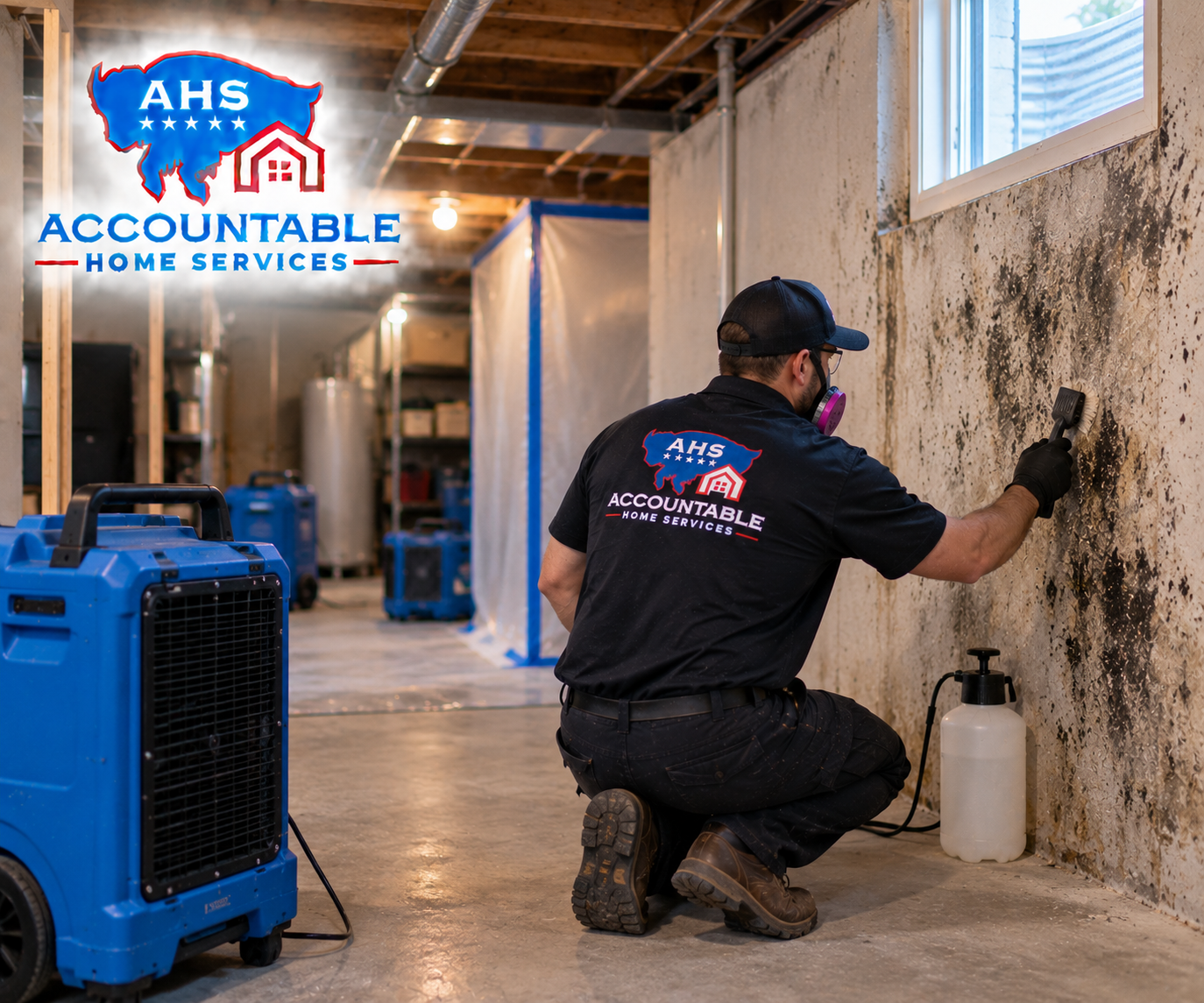
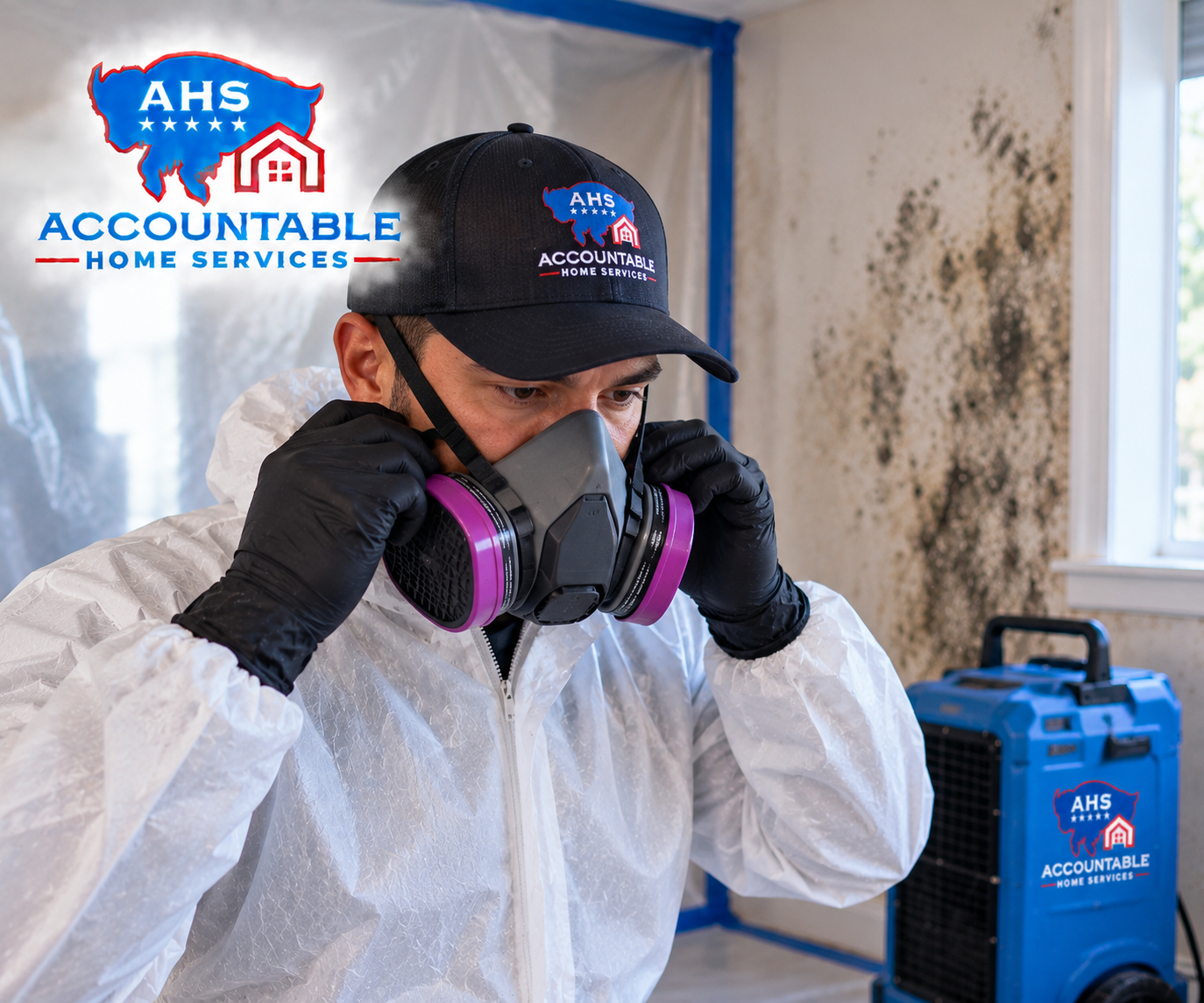
Mold remediation becomes necessary when mold growth is visible, suspected behind materials, or likely due to prolonged moisture exposure. Mold can begin developing within 24 to 48 hours under the right conditions, so delayed drying increases risk. If you are searching for mold remediation near me after a water loss, look for a provider that can identify moisture sources, contain affected areas, remove contaminated materials when required, and verify that the underlying moisture problem has been corrected.
Not every water loss becomes a mold job. Prompt extraction, controlled drying, and moisture monitoring can often prevent mold growth. However, if water has sat for days, affected porous materials smell musty, or occupants report irritation around damp areas, the situation deserves a more careful assessment.
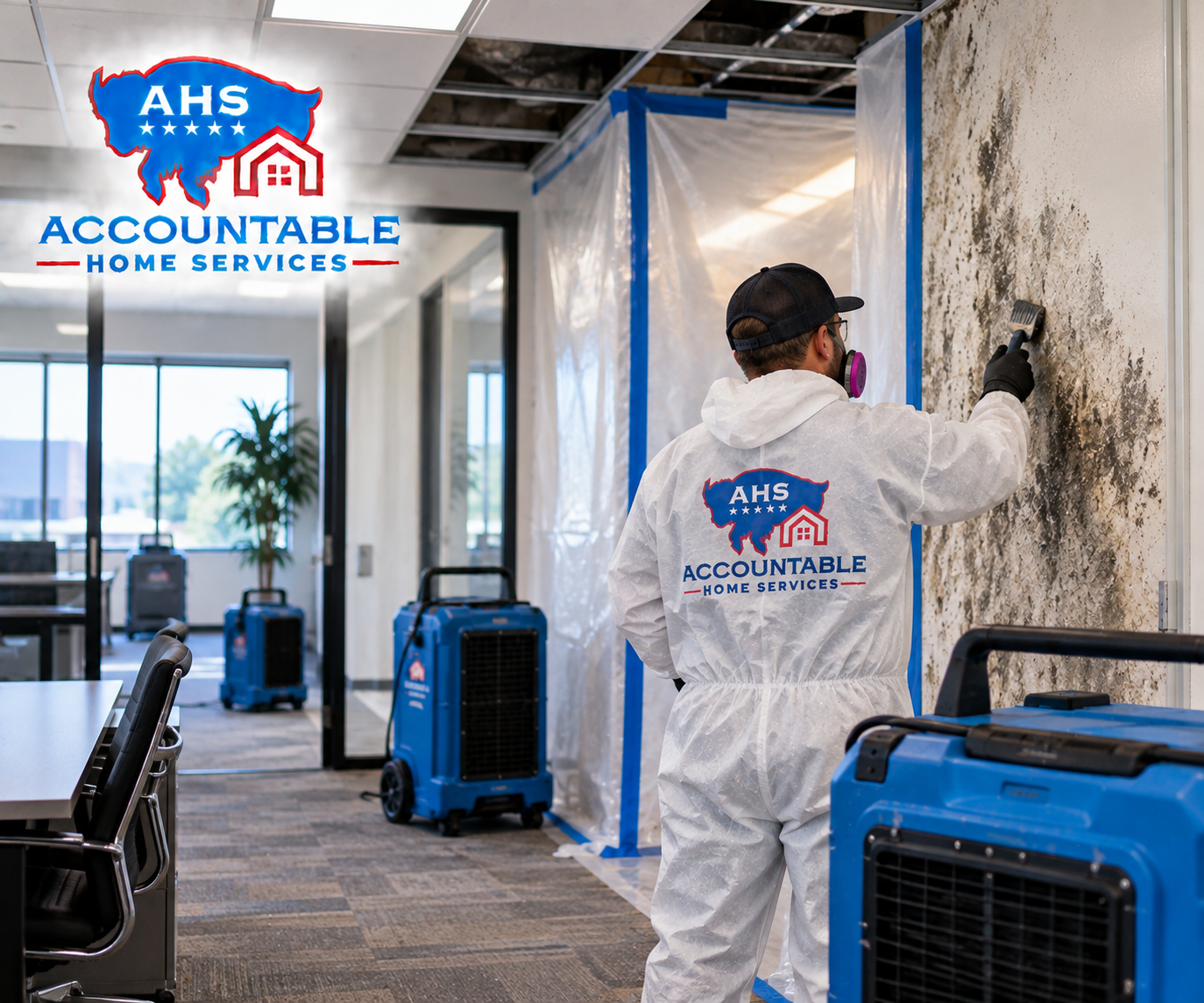
Professional mold remediation may involve containment, negative air pressure, HEPA filtration, removal of affected porous materials, cleaning of salvageable surfaces, and antimicrobial treatment where appropriate. The key is source control. Cleaning visible mold without correcting hidden moisture usually leads to recurrence.
Insurance considerations for Colorado water damage claims
A water damage insurance claim Colorado homeowners submit should be supported by prompt action and clear documentation. The homeowner’s responsibility is usually to take reasonable steps to prevent additional damage, which is why fast mitigation matters even before the final coverage decision is made. Waiting too long can complicate the claim and may allow damage to spread.
Useful claim documentation includes:
- Photos and videos before major cleanup or demolition
- The date and approximate time the damage was discovered
- The suspected source of water, such as a burst pipe, appliance leak, storm intrusion, or sump failure
- Plumbing invoices or repair notes when a plumber stopped the source
- Restoration moisture readings, drying logs, and equipment records
- Lists of damaged contents, finishes, and building materials
- Communication notes with the restoration company, adjuster, agent, and property manager
Insurance agents often need restoration partners who communicate without overpromising. Plumbers need someone to take over after the leak repair. Property managers need fast updates for tenants and owners. Good documentation protects that entire chain of communication.
Choosing a local restoration partner
The best restoration partner is not simply the one that arrives with equipment. Look for a team that explains the plan, measures moisture, documents the loss, communicates with the necessary parties, and knows when repairs or specialty remediation are required. Local familiarity also matters because water mitigation Broomfield work often involves basements, foundation drainage concerns, freeze-related plumbing failures, and finished lower-level spaces.
Before approving work, ask practical questions:
- What areas are wet, including hidden areas?
- What equipment will be used and why?
- How often will drying be monitored?
- What materials can be dried, and what may need removal?
- How will the loss be documented for the insurer or property owner?
- Who will communicate updates to the homeowner, tenant, agent, plumber, or manager?
A calm, well-documented process is especially valuable when several parties are involved. It reduces confusion, preserves trust, and helps the project move from emergency response to completion with fewer surprises.
The main takeaway
Water damage becomes easier to manage when the first response is organized: stop the source, extract the water, locate hidden moisture, dry the structure, document the loss, and repair only after materials are dry. Whether the call starts with a homeowner, plumber, property manager, or insurance agent, professional water damage cleanup Broomfield services can help prevent avoidable damage and create a clearer path through mitigation, claims, and repair.
If water is actively entering the property, treat it as urgent. Shut off the source if safe, document what you can, call the appropriate trade, and bring in a qualified local restoration team before moisture has time to move deeper into the structure.